

Choose statuettes by scale, material, style, and shelf safety for a balanced, lasting display.
As a curator and interior stylist with years of hands-on experience placing art in homes and galleries, I will guide you step-by-step on how to choose statuettes and sculptures for shelves. This short guide covers planning, scale, materials, composition, safety, and styling so your shelves look smart and stay secure.

Why choosing the right statuettes and sculptures matters
Picking the right pieces changes a shelf from clutter to a focal point. Knowing how to choose statuettes and sculptures for shelves helps you create harmony in a room. Good choices protect your art and keep your space safe and beautiful.

Measure and plan your shelf space
Measure shelf depth, height, and weight capacity before you buy. Note clearance above each shelf and any fixed brackets or glass doors. Draw a quick layout or take a photo and mark where pieces will sit.

Match style, material, and color
Think about the room style and the shelf material. Match modern ceramics to clean lines and rustic bronze to wood or leather textures. Use color to link the statuette to cushions, rugs, or wall art.
Scale, balance, and composition
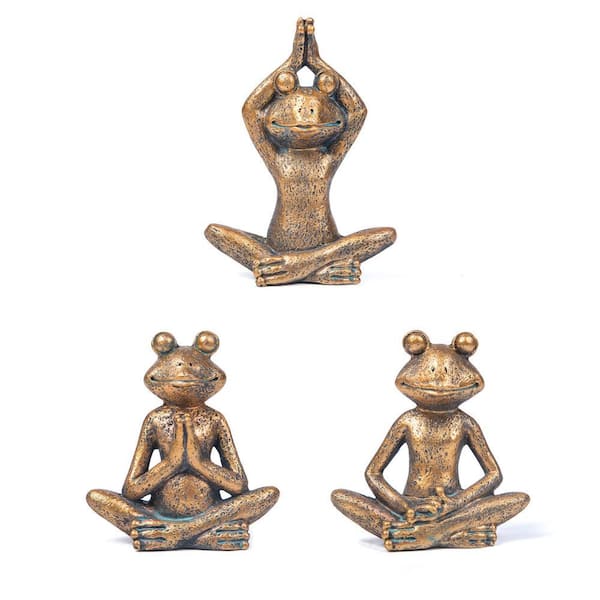
Scale matters more than price. A tiny figurine looks lost next to a tall stack of books. Group pieces in odd numbers for a natural look. Balance heavy items with lighter ones and vary heights for visual rhythm.

Practical considerations: weight, stability, and safety
Check the weight of each sculpture and the shelf's load rating. Use non-slip pads or museum putty for tall or narrow pieces. Keep fragile or heavy items on lower shelves, and secure shelves to studs when needed.
Materials and finishes: pros and cons
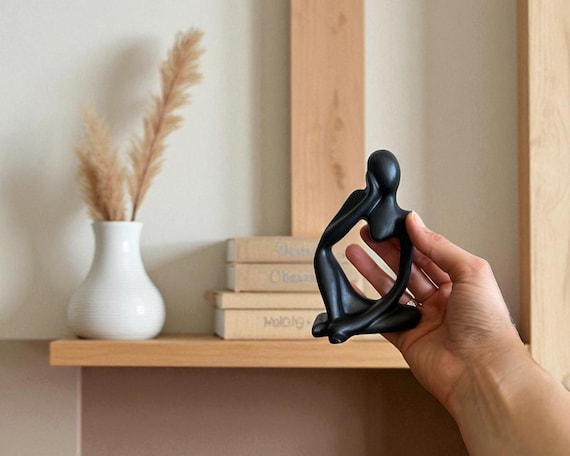
Ceramic and glass look refined but break easily. Metal and stone are durable but heavy. Resin is light and affordable, while wood brings warmth. Consider humidity, sunlight, and pets when choosing finishes.

Lighting and placement to enhance form
Place statuettes where light can show their shape. Side or top lighting creates shadows and depth. Avoid direct sun on sensitive materials to prevent fading or heat damage.
Styling strategies for different shelves
Use different strategies for open wall shelves, built-ins, and bookcases.
- Open wall shelves: Feature one standout sculpture per shelf and keep negative space.
- Bookcase shelves: Mix books with sculptures to add pause and interest.
- Floating shelves: Favor light pieces and secure them with putty.
These tips explain how to choose statuettes and sculptures for shelves in each setting.

Layering, groupings, and negative space
Layer small pieces in front of low books for depth. Group three to five items with a mix of heights and textures. Leave empty space to let pieces breathe; negative space is as important as objects.
Personal experience and lessons learned
In my work, I once overloaded a floating shelf with small bronzes. The shelf bowed. I learned to test load and to place the heaviest piece near the wall and lower shelves. I now always photograph layouts and live with them for a week before finalizing. These small trials save time and keep art safe.
Care, cleaning, and long-term maintenance
Dust regularly with a soft brush and avoid harsh chemicals. For metals, use appropriate polish sparingly. Check mounts, pads, and putty every few months. Rotate pieces occasionally to reduce sun and dust damage.
Common mistakes to avoid
Avoid crowding shelves with too many similar items. Don’t ignore weight limits or place fragile items on high open shelves. Skip buying pieces only because they are cheap; cheap may mean fragile or poorly finished. Knowing how to choose statuettes and sculptures for shelves helps you avoid these traps.
Buying and sourcing: tips for smart purchases
Buy from reputable sellers and inspect finishes closely. Ask about materials, weight, and care instructions. Consider thrift finds for unique pieces, but test stability and condition before purchase. These steps ensure you know how to choose statuettes and sculptures for shelves that last.
Sustainable and ethical choices
Choose responsibly made pieces when possible. Look for fair-trade or locally made items. Reused or vintage sculptures reduce waste and add a lived-in feel to shelves.
How to test placement before committing
Test placements with cardboard cutouts that match the width and height of pieces. Use painter’s tape on the shelf to mark edges. Live with the layout for a few days to see how light and movement affect the display. These small steps help you learn how to choose statuettes and sculptures for shelves with confidence.
Frequently Asked Questions of how to choose statuettes and sculptures for shelves
How do I choose the right size for a shelf?
Measure shelf height and depth first. Choose pieces that allow at least one to two inches of clearance around them for safety and visual balance.
Can I mix metals and materials on one shelf?
Yes. Mix metals and materials to add texture. Keep a unifying color or theme to avoid a chaotic look.
How many statuettes should I place on a single shelf?
Aim for odd-numbered groupings of three or five items for a natural composition. Balance a larger piece with smaller items to avoid clutter.
What is the safest way to display heavy sculptures?
Place heavy sculptures on the lowest sturdy shelves and near the wall. Use shelf anchors and non-slip pads for extra security.
How often should I clean and check shelf displays?
Dust monthly and inspect mounts and putty every three to six months. Rotate pieces yearly to minimize sun damage and wear.
Conclusion
You can create shelves that feel curated and safe by planning, testing, and balancing scale, material, and style. Start with measurements, respect weight limits, and use simple staging rules like odd groupings and negative space. Try one change this week: measure a shelf, pick one standout piece, and style around it. Share your shelf photos or subscribe for more styling guides.

Daniel Hart is a consumer product analyst who specializes in mattress technology, smart bedding, and home comfort innovation. Before joining Royal Comport, Daniel worked with several e-commerce research teams, testing and comparing sleep products for quality, value, and long-term performance. He brings data-driven insight and real-world testing to every review he writes.


