
A Hotel-Style Sleep Setup recreates hotel comfort with crisp sheets, firm mattress, and calm lighting.
I design sleep spaces for a living and have built dozens of hotel-feel bedrooms at home and for clients. This guide shows how to craft a Hotel-Style Sleep Setup step by step. You will learn what matters, what to buy, and how to maintain that calm, luxe feel every night.

Why a Hotel-Style Sleep Setup Works
A Hotel-Style Sleep Setup sets a clear priority: comfort and calm. Hotels optimize sleep by controlling texture, temperature, light, and sound. Recreating that plan at home helps you fall asleep faster and wake up refreshed. I’ve seen clients cut wake-ups and sleep time to fall asleep in half after switching to a hotel-style setup.

Key elements of a Hotel-Style Sleep Setup
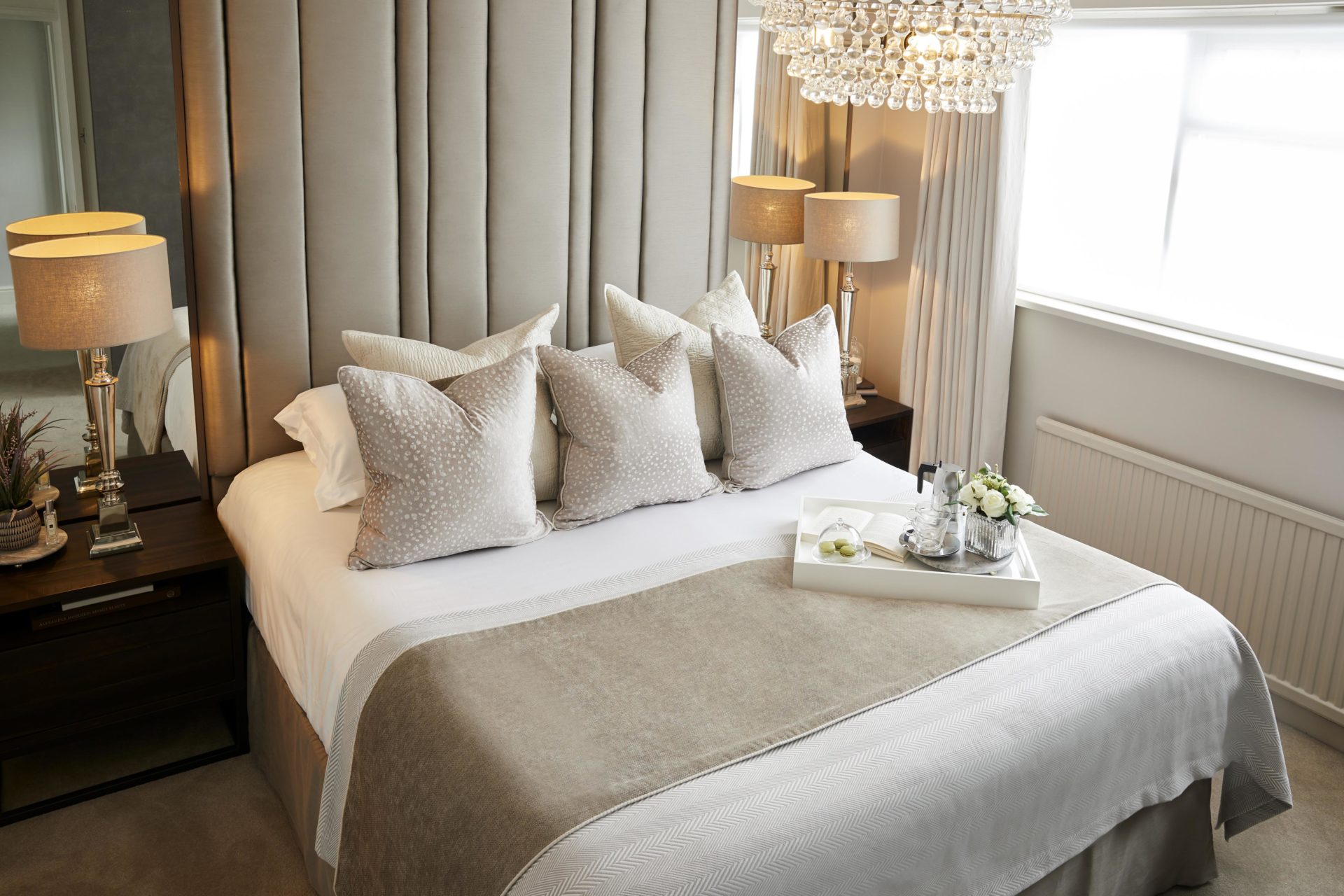
A great Hotel-Style Sleep Setup focuses on these core elements:
- Mattress support: Firm to medium-firm mattress that suits your body shape and sleep position.
- Bedding layers: Fitted sheet, flat sheet, duvet, and a light blanket for flexibility.
- Pillow strategy: Two pillows per side with different lofts to suit varied needs.
- Textile quality: Breathable cotton or linen sheets with a smooth finish.
- Lighting and sound: Dimmable warm lights and white-noise or quiet background.
Each element plays a role. Use quality items but not necessarily the most expensive. Small changes produce big comfort gains. Hotel-Style Sleep Setup success comes from the whole system, not one single piece.

Step-by-step: Build your Hotel-Style Sleep Setup at home
- Assess your mattress
- Test firmness. If it’s sagging, replace or add a support layer.
- Choose sheets and bedding
- Pick 100% cotton or linen. Aim for a balanced thread count around 300 to 500 for feel and breathability.
- Layer for sleep
- Use a fitted sheet, flat sheet, a lightweight duvet, and a blanket. This mirrors hotel comfort and adds flexibility.
- Pillow plan
- Keep a primary pillow and a backup that varies in loft. Try a softer and a medium-firm pillow per side.
- Control temperature and light
- Set bedroom to about 60–67°F for best sleep. Use warm, dim lights before bed.
- Add final touches
- Fold the top sheet and duvet like hotels do. Use a bed runner or throw for style.
Follow each step in order. The Hotel-Style Sleep Setup becomes a habit. Small routines, like making the bed the same way, reinforce better sleep.
- Fold the top sheet and duvet like hotels do. Use a bed runner or throw for style.

Materials and product picks that actually matter
Choose materials that balance feel and function for your Hotel-Style Sleep Setup:
- Sheets: Long-staple cotton or linen for breathability and durability.
- Duvet: Down or high-quality down alternative with weight options for seasons.
- Mattress: Replace every 7–10 years or sooner if comfort drops.
- Pillow: Memory foam or down alternatives that keep shape.
- Mattress protector: Waterproof, breathable protectors extend mattress life.
I test many products and prefer mid-range items with strong warranties. Cheaper items can save money but may fail fast. A Hotel-Style Sleep Setup thrives on consistent quality.

Routine, maintenance, and care
Good upkeep makes a Hotel-Style Sleep Setup last and stay fresh.
- Wash sheets weekly to keep the feel crisp.
- Rotate mattress every 3 months to avoid sagging.
- Air out duvets and pillows monthly in low humidity.
- Replace pillows every 1–2 years depending on loft loss.
- Keep a simple nightly routine: dim lights, set a fan or white noise, and tidy the bed.
These habits make your Hotel-Style Sleep Setup feel new. In my work, clients who keep routines report better sleep quality within two weeks.
Common mistakes to avoid
Many people try to mimic hotels but miss key points. Avoid these traps:
- Buying only for looks: A pretty duvet won’t help if the mattress is poor.
- Overcomplicating layers: Too many blankets cause overheating.
- Ignoring temperature: Cool air is crucial for deep sleep.
- Choosing ill-fitting bedding: Loose sheets create lumps and discomfort.
- Skipping routine: A messy bed undermines the whole setup.
Learning from these mistakes saved me time and money when I set up bedrooms for clients. A simple Hotel-Style Sleep Setup does more than look good; it supports sleep.

Frequently Asked Questions of Hotel-Style Sleep Setup
What is a Hotel-Style Sleep Setup?
A Hotel-Style Sleep Setup recreates the comfort hotels craft for guests using specific bedding layers, proper mattress support, and calming bedroom conditions. It focuses on texture, temperature, light, and routine to improve sleep.
How often should I wash sheets in a hotel-style setup?
Wash sheets at least once a week to keep them crisp and hygienic. Pillowcases can be washed more often if you use skin or hair products.
Do I need an expensive mattress for a hotel-style feel?
No. You need a mattress that supports your body and feels comfortable. Mid-range mattresses with good reviews often provide excellent results for a Hotel-Style Sleep Setup.
What temperature is best for a Hotel-Style Sleep Setup?
Aim for about 60–67°F. Cooler temperatures help your body prepare for deeper sleep and align with common sleep recommendations.
How do I manage bedding for hot and cold nights?
Use layers: a light duvet plus a blanket gives you flexibility. Switch to a lighter duvet in summer and add the blanket in winter for a Hotel-Style Sleep Setup that works year-round.
Conclusion
A Hotel-Style Sleep Setup is a practical path to better nights. Focus on mattress support, breathable bedding, simple routines, and proper temperature. Start with one change—better sheets or a new pillow—and build from there. Try the steps this week, notice how small upgrades change your sleep, and share what worked for you. If you enjoyed this guide, subscribe for more sleep tips or leave a comment with your own Hotel-Style Sleep Setup wins.

Daniel Hart is a consumer product analyst who specializes in mattress technology, smart bedding, and home comfort innovation. Before joining Royal Comport, Daniel worked with several e-commerce research teams, testing and comparing sleep products for quality, value, and long-term performance. He brings data-driven insight and real-world testing to every review he writes.


