

Comforters are soft bed covers filled for warmth, comfort, and cozy sleep every night.
As a sleep product specialist with years of hands-on testing and real-world use, I’ll walk you through everything about comforters. I cover how they work, the best fills, sizing tips, care routines, and buying advice. This guide mixes research and friendly experience to help you pick the right comforter for your needs.
What exactly is a comforter?
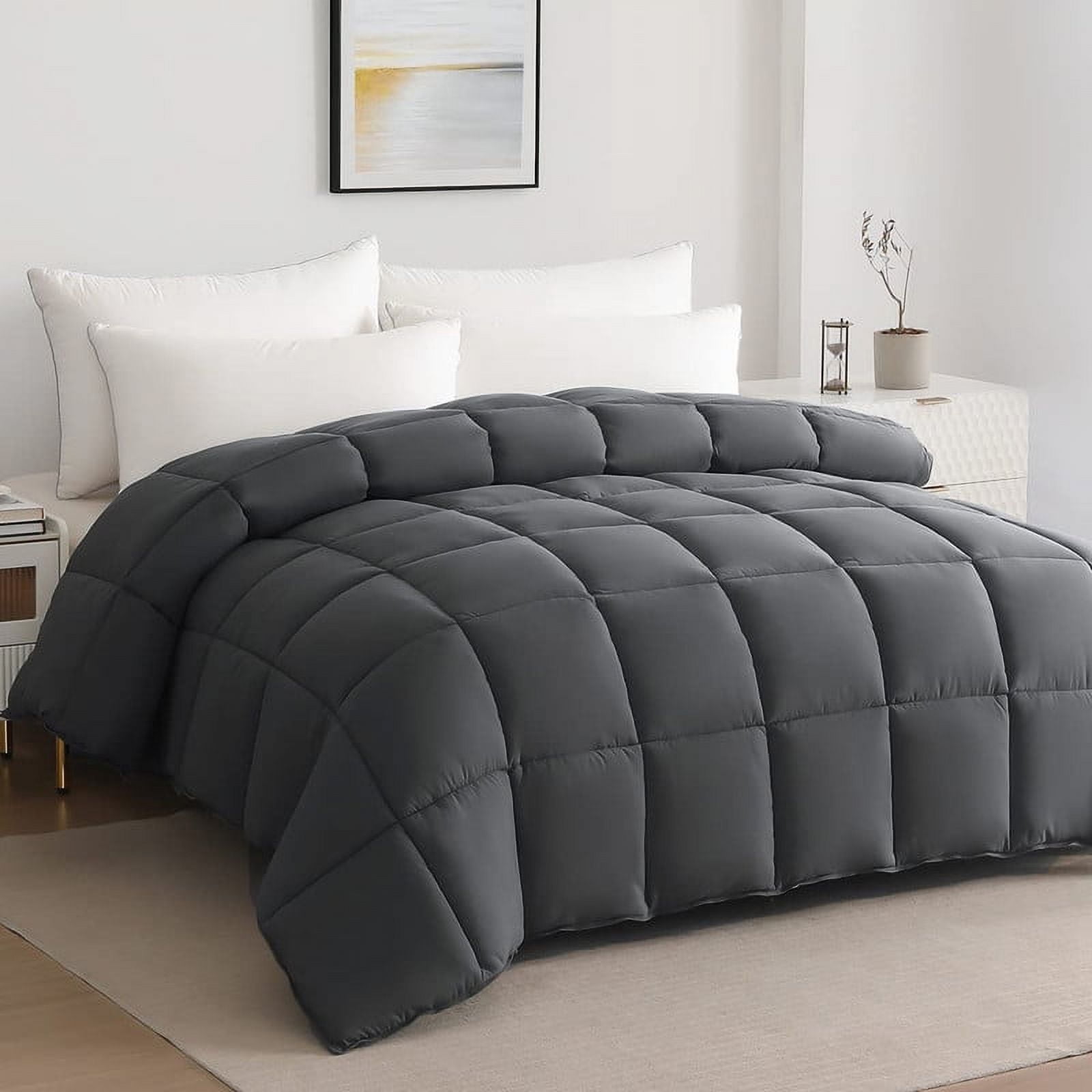
A comforter is a thick, quilted blanket. It has an outer fabric shell and a fill inside. The fill traps air and creates warmth. People use comforters as the main bed cover or inside a duvet cover.
Comforters come in many styles and fills. They can be simple or quite plush. They often replace heavy blankets and add style to a room. I test many comforters and look for warmth, weight, and durability.

Types of comforters and fills
Different fills change feel and warmth. Here are the main types you will see.
- Down fill: Soft, light, and warm; from duck or goose down.
- Down alternative: Synthetic fibers that mimic down; hypoallergenic.
- Wool fill: Natural, breathable, and good for varied climates.
- Silk fill: Lightweight, smooth, and naturally temperature-regulating.
- Cotton fill: Less loft, breathable, and easy to care for.
Each type of comforter works for different sleepers. I prefer down for loft and warmth. I use down alternative for kids and allergy-prone guests. Try each type if you can, so you know what you like.

Understanding warmth: fill power and tog rating
Warmth is key when picking a comforter. Two main measures matter.
- Fill power: A number that shows down’s loft and insulating ability. Higher numbers mean more warmth and lighter weight.
- Tog rating: A number used in some regions to show overall warmth. Higher tog means warmer.
If you sleep hot, choose a lower fill power or lightweight wool. If you get cold, pick a higher fill power down comforter. I found a 600–700 fill power hits a good balance for most people.

Construction and stitching matters
How a comforter is made affects performance. Look at these features.
- Baffle box construction: Keeps fill in place and prevents cold spots.
- Box stitch or channel stitch: Simple seams that can allow fill shift.
- Edge binding: Reinforces edges for longer life.
A well-made comforter keeps its shape after washing. I learned this after buying a cheap option that clumped in months. Spend a bit more for good construction and you will save money over time.

Sizes and fit: matching your bed and duvet covers
Comforters come in standard bed sizes. Pick the right drop and overhang.
- Twin, Twin XL, Full, Queen, King, California King: Choose by mattress and desired drape.
- Duvet covers: If you use a duvet cover, size the comforter a few inches smaller for an easy fit or match exactly for a cozy tuck.
- Overhang: 8–12 inches on sides is a common choice for a neat look.
Measure your bed before you buy. I once bought a “queen” that was too small for my guest bed. Measure to avoid surprises.

How to choose a comforter by sleep style and climate
Match comforter features to how you sleep and where you live.
- Hot sleepers: Choose breathable fills like cotton, silk, or lightweight down alternative.
- Cold sleepers: Pick high-fill-power down or heavy wool fills.
- Couples with different needs: Consider a split-weight comforter or two different comforters layered.
- Humid climates: Look for moisture-wicking fills like wool or lightweight down.
I often recommend a medium-weight down alternative for mixed households. It works for many seasons and is easy to wash.
Care and cleaning tips for longer life
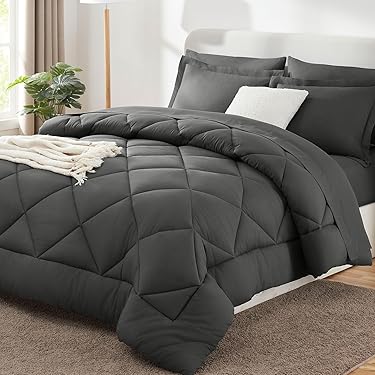
Care affects comforter longevity and hygiene. Follow these steps.
- Read the label: Always check the manufacturer’s instructions first.
- Machine wash: Many down alternatives and some down comforters can be machine washed on gentle with mild detergent.
- Drying: Use a large dryer with low heat and dryer balls to restore loft; ensure full drying to avoid mildew.
- Spot clean and air out: Spot clean small stains and air your comforter regularly to freshen it.
I air out my comforter monthly and wash it twice a year. This keeps it fluffy and odor-free.

Budgeting and where to spend more
Not all comforters cost the same. Know where to invest.
- Spend more on fill and construction: Higher fill power down and baffle boxes last longer.
- Save on shell fabric: Good cotton shells are fine and often less costly.
- Consider warranties: Better brands often offer strong warranties and customer support.
My rule: spend where performance matters. A reliable comforter feels better each night and lasts longer.

Sustainability, certifications, and health factors
You can choose comforters that are better for the planet and health.
- Look for responsibly sourced down certifications and recycled fills.
- Check for Oeko-Tex or similar labels to avoid harmful chemicals.
- Hypoallergenic options: Down alternative and some treated natural fills help reduce allergic reactions.
I now opt for certified down or recycled down when possible. It feels good to choose ethically and to avoid chemicals.
Common mistakes and how to avoid them
People make the same mistakes when buying comforters. Avoid these pitfalls.
- Choosing wrong warmth: Pick by how cold you sleep, not by trend.
- Ignoring construction: Cheap stitching leads to clumps.
- Skipping care instructions: Improper washing damages fill.
- Wrong size: Measure your bed and existing duvet covers.
I once bought too heavy a comforter for summer use. I learned to keep two options for different seasons.
Personal experience and practical tips
I have tested many comforters over the years. Here are real tips from use.
- Try before you buy if possible: Feel weight and loft in store.
- Layer: Use a lightweight comforter in summer and add a throw for warmth.
- Protect with a duvet cover: This makes washing easier and extends life.
- Rotate every few months: This evens wear and helps the fill settle evenly.
My favorite setup is a medium down comforter inside a soft cotton duvet cover. It is warm yet breathable and easy to clean.
Buying checklist: quick guide before you checkout
Use this checklist to make a smart purchase.
- Choose the right fill for warmth and allergies.
- Check fill power or tog rating for warmth needs.
- Inspect construction: baffle box or strong stitching.
- Confirm size and fit for your bed and duvet cover.
- Review care instructions and warranty details.
This list helps me avoid returns and pick comforters that last.
Frequently Asked Questions of Comforters
What is the difference between a comforter and a duvet?
A comforter is a single quilted blanket. A duvet is typically a plain insert that goes inside a removable duvet cover. Duvets let you change the cover for style or easy washing.
How often should I wash a comforter?
Most comforters need washing two to three times a year. Spot clean as needed and air it out monthly to keep it fresh.
Are down comforters better than down alternative?
Down comforters are lighter and more insulating per weight. Down alternatives suit allergy sufferers and are easier to wash.
Can I machine dry a down comforter?
Yes, if the label allows. Use low heat and dryer balls to keep the fill from clumping and ensure it is fully dry.
How do I choose the right warmth level?
Pick by your usual bedroom temperature and whether you sleep hot or cold. Use fill power or tog rating as a guide and consider a medium option for mixed needs.
Do comforters lose warmth over time?
Fill can compress with use, which may reduce warmth. Regular fluffing and proper care help maintain loft and warmth.
Conclusion
Comforters shape how you sleep and feel each night. Choose the right fill, size, and construction for your comfort and climate. Care for your comforter and it will stay plush and warm for years. Try one that fits your sleep style, and adjust seasons with layers. If you found this helpful, explore comforters in stores, subscribe for more bedding tips, or leave a comment about your favorite comforter choice.

Daniel Hart is a consumer product analyst who specializes in mattress technology, smart bedding, and home comfort innovation. Before joining Royal Comport, Daniel worked with several e-commerce research teams, testing and comparing sleep products for quality, value, and long-term performance. He brings data-driven insight and real-world testing to every review he writes.


