
Sleep is more than just rest; it’s crucial for our well-being. Quality sleep affects our health, mood, and daily performance.
In today’s busy world, sleep often gets overlooked. Many people sacrifice hours of rest to meet deadlines or binge-watch shows. Yet, sleep is vital for maintaining balance in our lives. It’s not just about feeling refreshed. Good sleep supports mental clarity, emotional stability, and physical health.
Without enough sleep, our bodies and minds struggle. This blog post will explore ten key reasons why sleep is essential. Understanding these reasons can help you prioritize and improve your sleep habits. Ready to learn more? Let’s dive in!
Boosts Cognitive Function
Sleep is more than just rest. It plays a vital role in our overall health. One of the top reasons why sleep is important is its ability to boost cognitive function. Quality sleep can significantly enhance how our brain processes and stores information. Let’s explore how sleep helps in enhancing memory and improving decision-making.
Enhances Memory
Getting enough sleep is crucial for memory consolidation. During sleep, our brain processes and organizes information from the day. This helps in converting short-term memories into long-term ones. Here are some ways sleep enhances memory:
- Memory consolidation: During deep sleep, the brain strengthens neural connections. This helps in storing new information more effectively.
- Problem-solving skills: Sleep allows the brain to process complex problems. This can lead to better solutions and creative insights.
- Learning new skills: Whether you are learning a new language or a musical instrument, sleep helps in mastering new skills by reinforcing what you have learned.
Research shows that sleep-deprived individuals struggle with memory tasks. They find it harder to recall information and may even form false memories. To illustrate, here’s a table showing the impact of sleep on different types of memory:
| Type of Memory | Effect of Sleep |
|---|---|
| Declarative Memory | Improves recall of facts and information |
| Procedural Memory | Enhances skills and task performance |
| Emotional Memory | Helps in processing and storing emotional experiences |
In short, sleep is essential for optimizing memory. It helps in better retention and recall of information, making us more efficient learners.
Improves Decision Making
Good sleep is critical for making sound decisions. When well-rested, our brain functions more effectively, allowing us to evaluate situations and make better choices. Here’s how sleep improves decision-making:
- Enhanced focus: Sleep boosts attention and concentration. This allows us to process information more clearly.
- Reduced impulsivity: Lack of sleep makes us more prone to risky and impulsive decisions. Adequate sleep keeps our impulses in check.
- Better judgment: A well-rested brain can evaluate pros and cons more effectively, leading to better judgment.
Studies reveal that sleep-deprived individuals often make poor decisions. They may overlook important details and take unnecessary risks. Consider this table illustrating the difference in decision-making abilities between well-rested and sleep-deprived individuals:
| Aspect | Well-Rested | Sleep-Deprived |
|---|---|---|
| Attention to Detail | High | Low |
| Risk Evaluation | Accurate | Inaccurate |
| Impulsivity | Controlled | High |
Clearly, sleep is vital for making well-informed and balanced decisions. Ensuring you get enough rest can significantly enhance your decision-making abilities, leading to better outcomes in daily life.

Credit: www.wellics.com
Supports Physical Health
Getting enough sleep is crucial for maintaining overall health and well-being. Among its many benefits, sleep plays a vital role in supporting physical health. Adequate rest helps the body repair and rejuvenate, ensuring you wake up refreshed and ready for the day. Here are two key ways sleep supports physical health:
Strengthens Immune System
Sleep is essential for a strong immune system. During sleep, the body produces proteins called cytokines. These proteins help fight infection, inflammation, and stress. Without enough sleep, the production of these protective proteins decreases, weakening the immune response.
- Increased Resistance to Illness: A well-rested body is better equipped to fend off colds, flu, and other infections.
- Enhanced Vaccine Efficacy: Studies show that sleep improves the effectiveness of vaccines by boosting the body’s immune response.
- Quicker Recovery: Adequate sleep helps speed up recovery times when you do fall ill.
Research indicates that those who sleep less than seven hours per night are more prone to infections. The immune system relies on sleep to function correctly, making it essential for overall health.
| Hours of Sleep | Immune Response |
|---|---|
| 7-8 hours | Optimal |
| 5-6 hours | Compromised |
| Less than 5 hours | Significantly Weakened |
Promotes Heart Health
Good sleep is vital for heart health. Poor sleep habits can lead to heart disease, high blood pressure, and stroke. The heart needs rest to maintain its functions and repair daily wear and tear.
- Regulates Blood Pressure: Consistent sleep helps keep blood pressure levels stable, reducing the risk of hypertension.
- Reduces Inflammation: Sleep helps control inflammation in the body, a significant factor in heart disease.
- Manages Stress Hormones: Adequate sleep balances stress hormones like cortisol, which can affect heart health if left unchecked.
Research shows a strong link between sleep duration and heart health. Those who sleep less than six hours per night have an increased risk of cardiovascular problems. Ensuring sufficient sleep is a simple yet effective way to protect your heart.
| Hours of Sleep | Heart Health Impact |
|---|---|
| 7-8 hours | Healthy Heart |
| 5-6 hours | Increased Risk |
| Less than 5 hours | High Risk |
Affects Mood Regulation
Quality sleep is crucial for maintaining good health and overall well-being. One of the key benefits of sleep is its profound impact on mood regulation. When we get enough restful sleep, our emotions and stress levels are better managed. This leads to a more balanced and happy life. Let’s explore how sleep affects mood regulation by reducing stress and enhancing emotional stability.
Reduces Stress
Stress is a common part of life, but too much stress can be harmful. Lack of sleep can make stress worse. When you don’t get enough sleep, your body’s stress hormones, like cortisol, increase. This makes you feel more stressed and anxious. Here are some ways sleep helps reduce stress:
- Lower Cortisol Levels: Good sleep helps lower cortisol levels. This reduces the feeling of stress.
- Improved Concentration: With better sleep, you can focus and solve problems more easily. This lowers stress.
- Relaxation: Sleep gives your body time to relax and heal. This makes you feel less stressed.
Here is a table that shows the difference in cortisol levels between people who get enough sleep and those who don’t:
| Sleep Quality | Cortisol Level |
|---|---|
| Good | Low |
| Poor | High |
As you can see, getting enough sleep is important for keeping stress under control. So, aim for 7-9 hours of sleep each night to feel less stressed and more relaxed.
Enhances Emotional Stability
Emotional stability is about being able to handle your emotions in a healthy way. Lack of sleep can make it hard to control emotions. This can lead to mood swings, irritability, and even depression. Here are some ways sleep helps enhance emotional stability:
- Better Mood: Good sleep helps you wake up feeling refreshed and in a better mood.
- Emotional Control: With enough sleep, you can manage your emotions better. This leads to fewer mood swings.
- Reduced Anxiety: Quality sleep can lower anxiety levels. This makes it easier to handle stress and emotions.
Let’s look at a comparison between someone who gets enough sleep and someone who doesn’t:
| Emotion | Enough Sleep | Lack of Sleep |
|---|---|---|
| Happiness | High | Low |
| Anxiety | Low | High |
| Irritability | Low | High |
As shown in the table, getting enough sleep can make a big difference in how you feel each day. Aim for consistent, quality sleep to keep your emotions stable and your mind healthy.
Facilitates Growth And Repair
Sleep plays a crucial role in maintaining overall health and well-being. One of the significant benefits of sleep is that it facilitates growth and repair. During sleep, your body undergoes various processes that help in rebuilding tissues, muscles, and cells. This restoration is vital for maintaining optimal physical and mental performance.
Muscle Recovery
Muscle recovery is a key aspect of physical health, especially for athletes and fitness enthusiasts. During deep sleep stages, the body releases growth hormones, which are essential for muscle repair and growth. These hormones help in:
- Repairing micro-tears in muscle fibers caused by exercise
- Building stronger and larger muscle tissues
- Reducing muscle soreness and inflammation
A lack of sleep can hinder muscle recovery, leading to prolonged soreness and slower muscle growth. Consider these facts about sleep and muscle recovery:
| Factor | Effect of Adequate Sleep |
|---|---|
| Muscle Protein Synthesis | Enhanced |
| Muscle Soreness | Reduced |
| Overall Recovery Time | Decreased |
Ensuring you get enough sleep each night will aid in quicker muscle recovery, allowing you to perform better in your workouts and daily activities.
Cell Regeneration
Cell regeneration is another critical process that occurs during sleep. The body works to replace old or damaged cells with new ones. This process is vital for maintaining healthy skin, organs, and overall body functions. During the deep stages of sleep:
- Cells undergo repair and regeneration
- DNA synthesis occurs, ensuring genetic information is accurately copied
- Immune cells are produced to fight infections and illnesses
Consider these benefits of cell regeneration during sleep:
| Benefit | Description |
|---|---|
| Skin Health | Improved as new skin cells replace old ones |
| Immune System | Strengthened through the production of immune cells |
| Organ Function | Enhanced as cells in organs regenerate |
Sleep is essential for effective cell regeneration, ensuring that your body remains in optimal health. Prioritizing sleep will help your body repair and regenerate cells efficiently, keeping you healthy and energized.
Increases Productivity
Getting enough sleep is crucial for many aspects of life. One significant benefit of a good night’s sleep is that it increases productivity. Whether you are a student, a professional, or someone who manages a household, better sleep can help you achieve more. Let’s dive into how sleep boosts creativity and enhances focus.
Boosts Creativity
Creativity plays a vital role in problem-solving and innovation. Sleep has a profound impact on your creative abilities.
Here are several ways sleep boosts creativity:
- Improved Memory: Sleep helps consolidate memories. This process is key for connecting different ideas and coming up with creative solutions.
- Enhanced Problem-Solving: With a well-rested mind, you can think more clearly. This clarity aids in solving complex problems creatively.
- Emotional Balance: A good night’s sleep keeps your emotions in check. Emotional stability is essential for open-minded and creative thinking.
Research shows that during sleep, the brain processes information, making new connections. This is why many people find that their best ideas come after a good sleep. For example, writers often experience fewer blocks after a well-rested night. Artists and designers also find that their creativity flows more easily when they are not sleep-deprived.
Enhances Focus
Focus is critical for productivity. Without it, tasks take longer and mistakes are more common. Sleep has a direct influence on your ability to concentrate.
Consider these points on how sleep enhances focus:
- Attention Span: Adequate sleep increases your attention span, allowing you to stay on task longer.
- Reduced Mistakes: A rested brain is less prone to errors, thus improving the quality of your work.
- Better Decision Making: Sleep helps you think more clearly, making it easier to make good decisions.
Studies reveal that people who get enough sleep tend to perform better at work and school. For example, students who sleep well before exams score higher. Professionals find they can handle complex projects more efficiently after a good night’s sleep.
Here is a simple comparison table to illustrate the difference:
| With Adequate Sleep | With Sleep Deprivation |
|---|---|
| High focus | Low focus |
| Fewer mistakes | More errors |
| Quick decision making | Slow decision making |
Clearly, sleep is a powerful tool for enhancing focus and increasing productivity. Prioritize sleep to see the best results in your daily tasks.

Credit: wellnessforgreatness.org
Regulates Metabolism
Getting enough sleep is crucial for your overall health, and one of the key reasons is its impact on regulating metabolism. Metabolism includes all the chemical processes in your body that keep you alive and healthy. Without proper sleep, your metabolism can get out of balance, leading to various health issues. Let’s explore how sleep affects metabolism through appetite hormones and weight management.
Affects Appetite Hormones
Sleep plays a significant role in controlling the hormones that manage your appetite. Two primary hormones, ghrelin and leptin, are directly influenced by the amount of sleep you get each night.
Ghrelin increases your appetite and is often called the “hunger hormone.” When you don’t sleep enough, your body produces more ghrelin, making you feel hungrier. This can lead to overeating and weight gain.
Leptin, on the other hand, signals your brain that you’re full and should stop eating. With insufficient sleep, leptin levels decrease, which means you don’t feel as satisfied after eating. This imbalance between ghrelin and leptin can make it challenging to maintain a healthy diet.
Here’s a simple table to illustrate how sleep affects these hormones:
| Hormone | Effect | Impact of Poor Sleep |
|---|---|---|
| Ghrelin | Increases hunger | Levels increase, leading to more hunger |
| Leptin | Signals fullness | Levels decrease, leading to less satisfaction from food |
Understanding the effects of these hormones can help you see why sleep is essential for keeping your appetite in check. Make sure to get enough rest to keep your hunger hormones balanced.
Supports Weight Management
Proper sleep is a key factor in managing your weight. When you get enough sleep, your body can better regulate the processes that control how you gain or lose weight.
Lack of sleep can lead to weight gain in several ways:
- Increased calorie intake: With higher ghrelin levels and lower leptin levels, you tend to eat more.
- Cravings for unhealthy foods: Sleep deprivation can make you crave high-calorie, sugary, and fatty foods.
- Reduced physical activity: Feeling tired makes you less likely to exercise, which can contribute to weight gain.
Getting enough sleep helps you make healthier food choices and stay active. Here are some tips to improve your sleep and support weight management:
- Stick to a consistent sleep schedule.
- Create a relaxing bedtime routine.
- Avoid caffeine and heavy meals before bed.
- Make your sleep environment comfortable and free from distractions.
By following these tips, you can improve your sleep quality and support your weight management goals. Remember, sleep is a crucial part of a healthy lifestyle, just like diet and exercise.
Improves Physical Performance
Getting enough sleep is crucial for many aspects of your health. One of the key benefits is that it improves physical performance. Whether you’re an athlete or just enjoy staying active, quality sleep can make a significant difference in your abilities. Below, we explore two main ways sleep enhances physical performance: enhancing athletic ability and boosting endurance.
Enhances Athletic Ability
Quality sleep can greatly enhance your athletic performance. Here’s how:
- Improved Reaction Time: Adequate sleep helps sharpen your reflexes, which is crucial in many sports.
- Better Coordination: Sleep helps your brain and body communicate more effectively, leading to better coordination and fewer errors.
- Increased Strength: Your muscles repair and grow during sleep, leading to increased strength over time.
Studies have shown that athletes who get enough sleep perform better. For example, basketball players who sleep more show improved shooting accuracy. Similarly, tennis players who are well-rested have faster serve speeds. Below is a table summarizing some of these benefits:
| Sport | Performance Improvement |
|---|---|
| Basketball | Improved shooting accuracy |
| Tennis | Faster serve speeds |
| Soccer | Better goalkeeping reflexes |
Boosts Endurance
Sleep also plays a vital role in boosting your endurance. Here’s why:
- Energy Restoration: During sleep, your body restores energy, which is critical for endurance activities.
- Muscle Recovery: Sleep helps repair muscles, reducing soreness and allowing you to train harder.
- Cardiovascular Health: Quality sleep supports heart health, which is essential for long-duration activities.
Endurance athletes, such as marathon runners and cyclists, often emphasize the importance of sleep. They understand that their bodies need to recover fully to perform at their best. Athletes who get enough sleep can train longer and more effectively. Below is a list of endurance benefits from proper sleep:
- Increased stamina
- Faster recovery times
- Better overall performance
In summary, getting enough sleep can significantly improve your physical performance, making you a better athlete and helping you endure longer workouts.
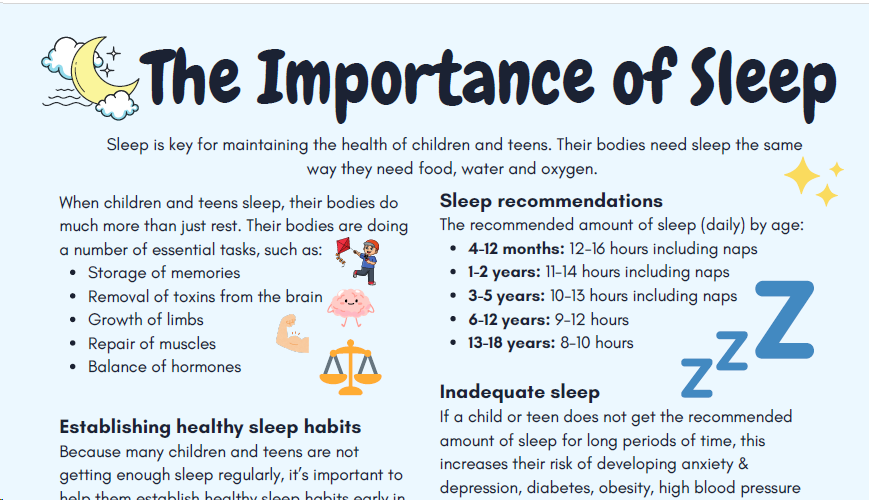
Credit: acdkids.org
Promotes Longevity
Sleep is a vital part of our daily routine and essential for maintaining good health. One of the significant benefits of sleep is its ability to promote longevity. Adequate sleep not only improves our physical well-being but also enhances our mental health. By getting enough restful sleep, we can ensure a longer, healthier life. Let’s explore how sleep promotes longevity by reducing the risk of chronic diseases and encouraging healthy aging.
Reduces Risk Of Chronic Diseases
Getting enough sleep is crucial for preventing chronic diseases. Studies show that poor sleep quality or lack of sleep increases the risk of various health conditions. Here are some ways sleep helps reduce chronic diseases:
- Heart Health: Sufficient sleep lowers the risk of heart disease by regulating blood pressure and reducing inflammation.
- Diabetes Management: Quality sleep helps regulate blood sugar levels, reducing the risk of type 2 diabetes.
- Immune System Boost: Adequate sleep strengthens the immune system, helping the body fight off infections and illnesses.
Research indicates that people who sleep less than six hours a night are more likely to develop chronic conditions. The following table highlights the relationship between sleep duration and chronic disease risk:
| Sleep Duration | Risk of Chronic Diseases |
|---|---|
| Less than 6 hours | High |
| 6-8 hours | Moderate |
| More than 8 hours | Low |
Ensuring a regular sleep schedule can help maintain these health benefits. Aim for 7-9 hours of sleep each night to reduce the risk of chronic diseases and improve overall health.
Encourages Healthy Aging
Sleep plays a crucial role in healthy aging. As we age, our sleep patterns change, often leading to sleep problems. However, maintaining good sleep hygiene can enhance the aging process. Here are some benefits of sleep for healthy aging:
- Brain Function: Quality sleep improves memory and cognitive function, reducing the risk of dementia and Alzheimer’s disease.
- Emotional Well-being: Adequate sleep helps regulate mood and reduces the risk of depression and anxiety.
- Physical Health: Good sleep supports muscle repair and growth, maintaining strength and mobility as we age.
Older adults often experience changes in sleep patterns, such as waking up frequently or having trouble falling asleep. These issues can impact overall health and well-being. Here are some tips for promoting healthy sleep in older adults:
- Maintain a consistent sleep schedule by going to bed and waking up at the same time every day.
- Create a relaxing bedtime routine, such as reading a book or taking a warm bath.
- Limit exposure to screens and bright lights before bedtime to improve sleep quality.
By prioritizing sleep and adopting healthy sleep habits, older adults can enhance their quality of life. This helps ensure a healthier and more fulfilling aging process.
Frequently Asked Questions
Why Is Sleep Crucial For Health?
Sleep is essential for overall health. It improves brain function, mood, and physical well-being. Quality sleep strengthens the immune system, supports growth and development, and enhances cognitive performance. Lack of sleep can lead to serious health issues such as heart disease, obesity, and diabetes.
How Does Sleep Affect Mental Health?
Sleep plays a vital role in mental health. It helps regulate mood, reduce stress, and improve emotional stability. Poor sleep quality or sleep disorders can contribute to mental health problems like anxiety and depression. Quality sleep is crucial for maintaining mental resilience and emotional well-being.
Can Lack Of Sleep Impact Physical Performance?
Yes, lack of sleep significantly impacts physical performance. It reduces strength, endurance, and coordination. Athletes and active individuals need adequate sleep for muscle recovery and optimal performance. Chronic sleep deprivation can also lead to injuries and prolonged recovery times, affecting overall physical health.
What Are The Benefits Of Good Sleep?
Good sleep offers numerous benefits. It enhances memory, boosts mood, and improves concentration. Quality sleep also supports cardiovascular health and strengthens the immune system. Additionally, it aids in weight management and reduces the risk of chronic diseases. Overall, good sleep is vital for a healthy lifestyle.
Conclusion
Quality sleep is crucial for overall health. It boosts mood and energy levels. Good sleep improves focus and productivity. It supports a strong immune system. Sleep helps maintain a healthy weight. It enhances memory and learning abilities. Lack of sleep increases stress and anxiety.
Prioritize sleep for a better quality of life. Make sleep a priority today. Your body and mind will thank you.

Emma Caldwell is a certified sleep consultant with over 8 years of experience studying how environment, posture, and bedding affect sleep quality. At Royal Comport, she leads content focused on mattress reviews, sleep hygiene, and wellness optimization. Her mission is to help readers find science-backed comfort solutions that improve both rest and daily performance. Her Expertise is Sleep science, mattress testing, comfort ergonomics, lifestyle wellness.


