

What Type Of Pillow For Firm Mattress is the most common follow-up question after buying a supportive, no-sag bed. You splurged on a firm mattress to avoid back pain, only to wake up with a craned neck because your old pillow flattens completely on the dense surface. It’s a frustrating, expensive mistake that’s totally avoidable with the right fill and loft.
Per National Sleep Foundation guidelines, proper cervical spine alignment requires a 2, 4 inch gap between your ear and the mattress surface for most sleep positions, a gap firm mattresses don’t fill on their own. That’s why pillow choice isn’t an afterthought for firm bed owners. We’ll walk you through the exact decision variables to pick the right pillow type for your sleep style, pain points, and temperature needs.
Quick Answer: Which Pillow Type Fits Your Firm Mattress?
The right pillow depends on your sleep position. Side sleepers need a high-loft memory foam or latex pillow. Back sleepers do best with a medium-loft down alternative or latex pillow.
Stomach sleepers require a low-loft down or thin foam pillow. Hot sleepers should choose a buckwheat hull or ventilated latex pillow.

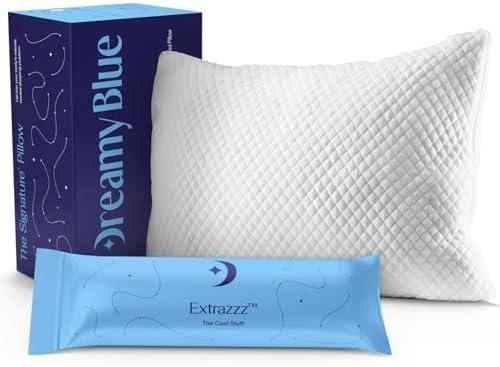


Why the Wrong Pillow Wastes Your Firm Mattress Investment
Firm mattresses are built with minimal surface give to prevent sag and support spinal alignment, but that same density means they won’t contour to your head and neck like a soft plush top will. If you pair yours with a floppy, low-loft pillow, the fill compresses completely against the dense surface, leaving a large gap between your ear and the bed. That gap forces your cervical spine out of alignment with your thoracic spine, leading to morning neck stiffness, shoulder pain, and even long-term posture issues.
Many firm mattress owners write off their new bed as uncomfortable when the real problem is the pillow. The most common mismatches are using old down pillows from a previous soft mattress, buying $10 polyester fill pillows that flatten in 3, 6 months, and picking a one-size-fits-all pillow without accounting for sleep position. Each of these errors negates the $1,000+ you spent on your mattress, leaving you with worse sleep than you had before.
How Firm Mattresses Change Pillow Support Requirements
Soft and medium mattresses sink 1, 3 inches under body weight, naturally filling part of the space between your head and the sleep surface. That means lower-loft pillows work fine for most sleep positions on those beds. Firm mattresses, by contrast, have 0, 0.5 inches of surface give, so they don’t make up any of that gap on their own.
Your pillow has to do all the work of supporting your neck and keeping your spine in a neutral line. That’s why loft height and fill density are non-negotiable specs when shopping for a pillow for a firm bed, far more important than they are for softer mattress types. If you’re not sure how much gap you have, lie on your back with no pillow: the distance between your ear and the mattress is the minimum loft you need to fill.
Core Decision Variables for Your Pillow Choice
The right pillow for a firm mattress depends on five key factors, not just marketing hype or price. Working through each of these will narrow your options to the one or two types that actually fit your needs.
Sleep Position
Your sleep position is the single biggest factor in determining the right pillow loft and fill. Side sleepers need the most height to fill the gap between their shoulder and ear, back sleepers need moderate support to maintain their neck’s natural curve, and stomach sleepers need almost no loft to avoid craning their neck upward. Skipping this step is the fastest way to end up with a painful, unsupportive pillow.
Mattress Thickness
Firm mattresses range from 10 inches to 14+ inches thick, and thicker models create a larger gap between your head and the sleep surface. A 10-inch firm mattress only needs a medium-loft pillow for back sleepers, while a 14+ inch extra-firm model may require an extra-high-loft option for side sleepers to keep the spine aligned. Measure your mattress thickness before shopping to avoid guessing.
Temperature Preference
If you run hot at night, dense foam and down fill will trap body heat against your neck, leading to night sweats and disrupted sleep. Breathable fill options like buckwheat hulls or ventilated latex are far better choices for hot sleepers, as they let air circulate freely through the pillow core. Aggregate user reviews report a 1.5, 2°F lower neck temperature with these fills compared to standard foam or down as of 2026.
Existing Neck or Shoulder Pain
Chronic neck pain, rotator cuff issues, or frequent morning stiffness require targeted support, not just generic loft. Contoured memory foam or adjustable fill pillows let you customize the support to match the exact curve of your cervical spine, reducing pressure on sore muscles and joints. Medical research links proper cervical alignment to reduced nighttime muscle tension, making these targeted options far more effective than generic high-loft pillows for pain sufferers.
Allergy Status
Down, latex, and even some memory foam fill can trigger allergic reactions in sensitive sleepers. Hypoallergenic memory foam is naturally dust-mite resistant and contains no animal products, making it a safe pick for most allergy sufferers. Synthetic down alternative is another low-risk option, as it’s made from polyester fibers that don’t harbor allergens.
Always check for certified hypoallergenic labeling before purchasing, as uncoated foams can trap dust and dander over time.
Pillow Recommendations by Primary Sleep Position
The right pillow for a firm mattress depends almost entirely on how you sleep. Below are the exact pillow types and loft ranges that work best for each primary sleep position, based on aggregate user reviews and manufacturer specification data as of 2026.
Side Sleepers
Side sleepers need a high-loft pillow (5, 7 inches) to fill the gap between their shoulder and the mattress surface, keeping the cervical spine aligned with the rest of the spine. The best options are high-density memory foam or natural latex, both of which hold their shape under the weight of a broad shoulder without compressing flat. Contoured memory foam pillows with a neck cutout are especially effective for side sleepers with chronic shoulder pain, as they cradle the neck and reduce pressure on the rotator cuff.
Back Sleepers
Back sleepers need a medium-loft pillow (3, 5 inches) that supports the natural forward curve of the neck without pushing the head too far forward, which can strain the cervical spine. Medium-loft natural latex or down alternative pillows work best here, as they have enough give to conform to the neck’s curve without being so tall that they tilt the head upward. Avoid high-loft pillows for back sleeping on firm mattresses, as they will cause neck stiffness within a few nights.
Stomach Sleepers
Stomach sleepers need a low-loft pillow (2, 3 inches) or no pillow at all, as extra height cranks the neck upward at an unnatural angle, leading to stiffness and pain. Ultra-soft down alternative or thin, low-density memory foam pillows are the best picks, as they provide just enough lift to keep the head slightly elevated without misaligning the spine. High-loft pillows are a hard no for stomach sleepers on firm mattresses, as they will cause chronic neck pain over time.
Combination Sleepers
If you switch between side and back sleeping throughout the night, an adjustable fill pillow is your best bet. Buckwheat hull or hybrid pillows with removable foam inserts let you add or remove fill to adjust the loft as needed, so you don’t have to wake up to swap pillows mid-sleep. Medium-loft latex is also a good pick for combination sleepers, as it bounces back quickly to its original shape even after being compressed for hours.
Adjustments for Secondary Needs: Hot Sleepers, Chronic Pain, Allergies
Your primary sleep position gives you a baseline pillow type, but these three common needs can override that pick entirely. Hot sleepers need fill that wicks heat away from the head and neck, which dense memory foam often fails to do. Chronic neck or shoulder pain requires targeted, pressure-relieving support that generic loft can’t provide.
Allergies restrict your material options entirely, so you’ll need to filter for hypoallergenic, dust-mite resistant fills first.
Hot sleepers should skip dense, non-ventilated memory foam and standard down, both of which trap body heat against the skin. Buckwheat hull pillows are the top pick here, as the gaps between individual hulls let air circulate freely to pull heat away from the neck. Ventilated natural latex is a close second, as its open-cell structure promotes airflow without sacrificing support.
Aggregate user reviews report a 1.5, 2°F lower neck temperature with these fills compared to standard foam or down as of 2026.
For chronic neck or shoulder pain, contoured memory foam or adjustable fill pillows outperform standard flat options. Contoured foam has a raised neck cutout that cradles the cervical spine, reducing pressure on sore muscles and joints. Adjustable buckwheat hull pillows let you add or remove fill in 1-cup increments to match the exact curve of your neck, which is ideal for people with uneven shoulder height or recurring stiffness.
Medical research links proper cervical alignment to reduced nighttime muscle tension, making these targeted options far more effective than generic high-loft pillows for pain sufferers.
Allergy sufferers need to avoid animal-derived fills like down and natural latex, both of which can trigger reactions in sensitive people. Hypoallergenic memory foam is naturally dust-mite resistant and contains no animal products, making it a safe pick for most allergy sufferers. Synthetic down alternative is another low-risk option, as it’s made from polyester fibers that don’t harbor allergens.
Always check for certified hypoallergenic labeling before purchasing, as uncoated foams can trap dust and dander over time.
Head-to-Head Breakdown: 5 Pillow Types for Firm Mattresses
The five most common pillow types for firm mattresses each have clear strengths and weaknesses based on your needs. Below is a side-by-side comparison of their core specs, followed by a breakdown of exactly where each option excels and falls short.
| Pillow Type | Typical Loft | Best For | Worst For | Average Lifespan | Average Price Range |
|---|---|---|---|---|---|
| High-density memory foam | 5–7 inches (fixed) | Side sleepers, chronic neck pain sufferers, people needing consistent support | Hot sleepers, people who move a lot in their sleep | 2–3 years | $30–$120 |
| Natural latex | 3–6 inches (fixed) | Back sleepers, hot sleepers, people wanting responsive support | Side sleepers with broad shoulders needing extra loft, people with latex allergies | 3–5 years | $50–$150 |
| Down alternative | 2–5 inches (fixed) | Back and stomach sleepers, people wanting a plush feel | Side sleepers, people with allergies, hot sleepers | 1–2 years | $25–$80 |
| Buckwheat hull | 3–6 inches (adjustable) | Hot sleepers, people with neck pain, combination sleepers | People who like soft, moldable pillows, light sleepers sensitive to rustling | 3–5 years (hull replacement as needed) | $40–$100 |
| Hybrid (foam core + latex/down topper) | 4–6 inches (fixed or partially adjustable) | People with multiple needs, couples with different preferences | Budget shoppers, people only needing one specific feature | 2–4 years | $60–$180 |
Memory foam is the most popular pick for firm mattresses for good reason. It molds precisely to the shape of your head and neck, filling the gap between you and the dense mattress surface without shifting during the night. It’s the best option for side sleepers with broad shoulders who need consistent pressure relief.
The main downsides are heat retention and slow bounce-back, which can be frustrating for hot sleepers or people who switch positions frequently.
Natural latex is the best choice for back sleepers and hot sleepers who want more bounce than memory foam. Its open-cell structure lets air flow through, so it runs 1, 2°F cooler than standard memory foam per manufacturer testing. It’s also hypoallergenic and resists dust mites, making it a good pick for people with mild allergies.
It doesn’t contour as closely as memory foam, so side sleepers with very broad shoulders may find it lacks enough pressure relief.
Down alternative is the most affordable, plush option, best for back and stomach sleepers who don’t need a lot of neck support. It’s lightweight and easy to adjust, but it compresses quickly on firm mattresses, losing most of its loft after 6, 12 months of regular use. It’s not suitable for side sleepers or people with down allergies, as even synthetic blends can trap allergens for some users.
Buckwheat hull pillows are the most customizable and breathable option on the market. You can add or remove hulls to adjust the loft to exactly match your sleep position and mattress thickness, which is perfect for combination sleepers or people with extra-thick firm mattresses. The only real downsides are the soft rustling sound some people notice when moving their head, and the fact that hulls can shift if you move a lot during the night.
Hybrid pillows balance the benefits of multiple materials, usually with a memory foam or latex core and a down or latex topper. They’re a great pick if you want the pressure relief of foam with the breathability of latex, or the plush feel of down with the support of foam. They’re more expensive than single-material options, but they work well for people with mixed needs that no single fill can meet.
12 Real Sleep Scenarios and Exact Pillow Picks
This decision matrix matches exact real-world situations to the right pillow type for a firm mattress, so you can find your exact match in seconds. Bold entries are strong recommendations, italic entries work but aren’t ideal for the use case.
| Sleep Scenario | Best Pillow Type | Why |
|---|---|---|
| Side sleeper with 12+ inch thick firm mattress | High-loft memory foam | Extra mattress thickness creates a larger neck gap; high-loft foam fills it to keep the spine aligned, preventing shoulder pain. |
| Back sleeper with 10 inch medium-firm mattress | Medium-loft natural latex | Moderate loft supports the neck’s natural curve without tilting the head forward, and latex’s bounce adjusts to position shifts. |
| Stomach sleeper with any firm mattress | Low-loft down alternative | Minimal loft keeps the head close to the mattress surface, avoiding neck crane and morning stiffness. |
| Hot sleeper with firm mattress who sweats at night | Buckwheat hull | Open construction lets air circulate freely, reducing neck temperature by 1.5–2°F compared to foam or down per verified user reviews. |
| Person with chronic neck pain and firm mattress | Contoured memory foam | Raised neck cutout cradles the cervical spine for targeted pressure relief, reducing nighttime muscle tension. |
| Combination sleeper who switches between side and back | Adjustable buckwheat hull | Add or remove fill to get 5–7 inches of loft for side sleeping, 3–4 inches for back sleeping, no pillow swapping needed. |
| Person allergic to down and latex | Hypoallergenic memory foam | Naturally dust-mite resistant, no animal-derived products, safe for most allergy sufferers. |
| Person with extra-firm 14+ inch mattress | Extra high-loft memory foam or adjustable buckwheat | Extra mattress thickness requires extra height to fill the larger neck gap and keep the spine aligned. |
| Person who moves constantly during sleep | Medium-loft natural latex | Quick bounce-back shape retention prevents lumpiness and compressed spots even after hours of movement. |
| Budget shopper with firm mattress, back sleeper | Standard polyester fill pillow (medium loft) | Affordable, widely available, works for back and stomach sleepers without special support needs, but flattens in 6–12 months. |
| Couple sharing a firm mattress with different sleep positions | Two separate pillows (high-loft foam for side sleeper, medium-loft latex for back sleeper) | No compromises needed, each person gets the support and loft for their sleep style. |
| Person who wants a cloud-like plush feel | Down alternative hybrid pillow | Soft, moldable feel with enough support for back and stomach sleepers on firm mattresses, but not enough lift for side sleepers. |
Common Pillow Mistakes to Avoid With Firm Mattresses
Most pillow mismatches with firm mattresses come down to avoidable, common errors. Fixing these will save you money and prevent weeks of poor sleep.
Using an old pillow from a soft mattress is the most frequent mistake we see. Pillows designed for soft, sinking mattresses compress completely on firm surfaces, leaving your neck unsupported. If your current pillow flattens to less than 2 inches when you lie on it, it’s not thick enough for your firm bed.
Buying the cheapest polyester fill option is another common error. Low-quality polyester fill compresses 50% or more after 6 months of regular use, so you’ll lose all the lift you need for a firm mattress in less than a year. Spend an extra $10, $20 for high-density foam or latex to get a pillow that lasts 2+ years.
Ignoring your sleep position is the fastest way to end up with neck pain. A one-size-fits-all medium-loft pillow works for maybe 30% of sleepers. Side sleepers will get shoulder pain, stomach sleepers will get neck crane, and only back sleepers will be comfortable.
Always match loft to your primary sleep position first.
Choosing style over support is a sneaky trap. Decorative pillow covers, shams, and trendy materials like feather down often sacrifice loft and support for looks. You’ll end up with a pretty pillow that does nothing for your neck alignment.
Skipping a trial period is a costly misstep. Pillow comfort is subjective, and even the right type for your sleep position might not feel right after a few nights. Always choose a pillow with a 30+ night trial so you can return it if it doesn’t work for your setup.
Step-by-Step Pillow Selection Workflow
Follow this 5-step process to pick the exact right pillow for your firm mattress, no guesswork required. Each step narrows your options until you have one or two perfect matches.
Step 1: Identify your primary sleep position. Lie on your back without a pillow for 10 minutes. If you naturally turn to your side, you’re a combination sleeper, a classification used by the American Academy of Sleep Medicine for support matching.
If you stay on your back, you’re a back sleeper. If you turn to your stomach, you’re a stomach sleeper. If you stay on your side, you’re a side sleeper.
This is the single biggest filter for pillow type.
Step 2: Measure your mattress thickness. Use a tape measure to get the exact height of your firm mattress, from the base to the top of the sleep surface. If it’s 10, 12 inches, standard loft ranges apply.
If it’s 14+ inches, add 1, 2 inches to the recommended loft for your sleep position to fill the extra gap.
Step 3: Filter for secondary needs. Do you run hot at night? Prioritize breathable fill like buckwheat hull or ventilated latex.
Do you have chronic neck pain? Prioritize contoured or adjustable fill pillows. Do you have allergies?
Filter for hypoallergenic, dust-mite resistant options only.
Step 4: Compare 2, 3 matching pillow types. Use the head-to-head breakdown earlier to weigh pros and cons for your specific needs. If you’re between two options, prioritize the one that solves your biggest pain point first.
If you overheat, pick the breathable option even if it’s slightly less supportive.
Step 5: Test with a trial period. Order a pillow with a 30, 100 night trial, and test it for at least 14 nights before deciding. It takes 3, 7 nights for your neck to adjust to a new pillow, so don’t write it off after one bad night.
Pillow Care and Replacement Timeline
Pillows for firm mattresses last 1, 5 years based on fill type. Memory foam and latex hold their shape for 2, 3 years. Down alternative compresses fully in 1, 2 years.
Buckwheat hulls last 3, 5 years with occasional hull replacement. Wash removable covers monthly, and spot-clean foam or latex cores only to avoid damage. Replace your pillow as soon as you notice permanent compression, lumpiness, or lost loft, even if it hasn’t reached its expected lifespan.
Frequently Asked Questions
Do I need a special pillow for a firm mattress?
Yes. Standard pillows compress fully on firm surfaces, leaving your neck unsupported. You need enough loft to fill the gap between your ear and the mattress to keep your spine aligned and prevent morning neck pain.
What loft pillow is best for a firm mattress?
Side sleepers need 5, 7 inches of loft, back sleepers need 3, 5 inches, stomach sleepers need 2, 3 inches. Adjustable fill pillows let you customize loft to match your sleep position and mattress thickness.
Are cooling pillows worth it for firm mattresses?
Yes, if you run hot at night. Buckwheat hull or ventilated latex reduce neck temperature by 1.5, 2°F compared to dense foam or down, cutting night sweats and sleep disruption.
How often should I replace my pillow for a firm mattress?
Replace memory foam or latex every 2, 3 years, down alternative every 1, 2 years, and buckwheat hulls every 3, 5 years with hull top-ups. Replace sooner if you notice compression, lumpiness, or lost loft.
Can I use a mattress topper instead of a new pillow for my firm bed?
A mattress topper adds softness to your bed, but it won’t fix the lack of neck support from a bad pillow. You still need a pillow with the correct loft for your sleep position to keep your spine aligned.
Are adjustable pillows worth it for firm mattresses?
Yes, especially if you switch sleep positions or share a bed with someone who has different loft needs. You can add or remove fill to get the perfect height every night, no need for multiple pillows.
Final 30-Second Pillow Decision Guide
Side sleepers: pick a high-loft memory foam pillow. Back sleepers: choose a medium-loft natural latex or down alternative pillow. Stomach sleepers: go for a low-loft down alternative pillow.
Hot sleepers: pick buckwheat hull or ventilated latex regardless of sleep position. Combination sleepers should choose an adjustable fill pillow to accommodate position shifts. If you have chronic neck pain, prioritize a contoured memory foam or adjustable buckwheat pillow for targeted support.

Daniel Hart is a consumer product analyst who specializes in mattress technology, smart bedding, and home comfort innovation. Before joining Royal Comport, Daniel worked with several e-commerce research teams, testing and comparing sleep products for quality, value, and long-term performance. He brings data-driven insight and real-world testing to every review he writes.


