

Pick a rug that anchors furniture, keeps consistent spacing, and matches room scale.
I have spent years helping clients and staging homes, so I know how to pick throw rug sizes for furniture layout with clarity and confidence. This guide breaks the topic down into clear steps, rules of thumb, and real-life examples so you can choose the right throw rug size with less guesswork and better results.
Why rug size matters
Rug size changes how a room feels and how furniture reads. A rug that is too small makes a group feel unconnected. A rug that is too large can overwhelm the space.
Choosing how to pick throw rug sizes for furniture layout helps you anchor seating, define zones, and protect floors. Good rug sizing improves flow, balance, and resale appeal.

Measure your room and furniture
Measure first. Use a tape measure and note room length and width. Mark furniture footprints on the floor with painter’s tape.
Steps to follow
- Measure the full room and door swings.
- Measure each furniture piece: width, depth, and leg placement.
- Visualize rug edge positions at 6, 12, and 18 inches from furniture legs.
Knowing exact dimensions is the foundation for how to pick throw rug sizes for furniture layout. Small errors in measurement lead to big design mistakes.

Standard throw rug sizes and best uses
Standard sizes help you match rugs to tasks. Below are common sizes and where they usually work.
Common sizes and use
- 2 x 3 feet — small accents, layered spots, or narrow hallways.
- 3 x 5 feet — under a small chair or beside a narrow bed.
- 4 x 6 feet — under a coffee table in a tight living room or in front of a sofa.
- 5 x 8 feet — fits many sofas when front legs are on the rug.
- 6 x 9 feet and larger — works well for full seating areas or under dining tables.
When deciding how to pick throw rug sizes for furniture layout, match the rug to the group you want to anchor rather than the whole room every time.
Rules of thumb for common furniture layouts
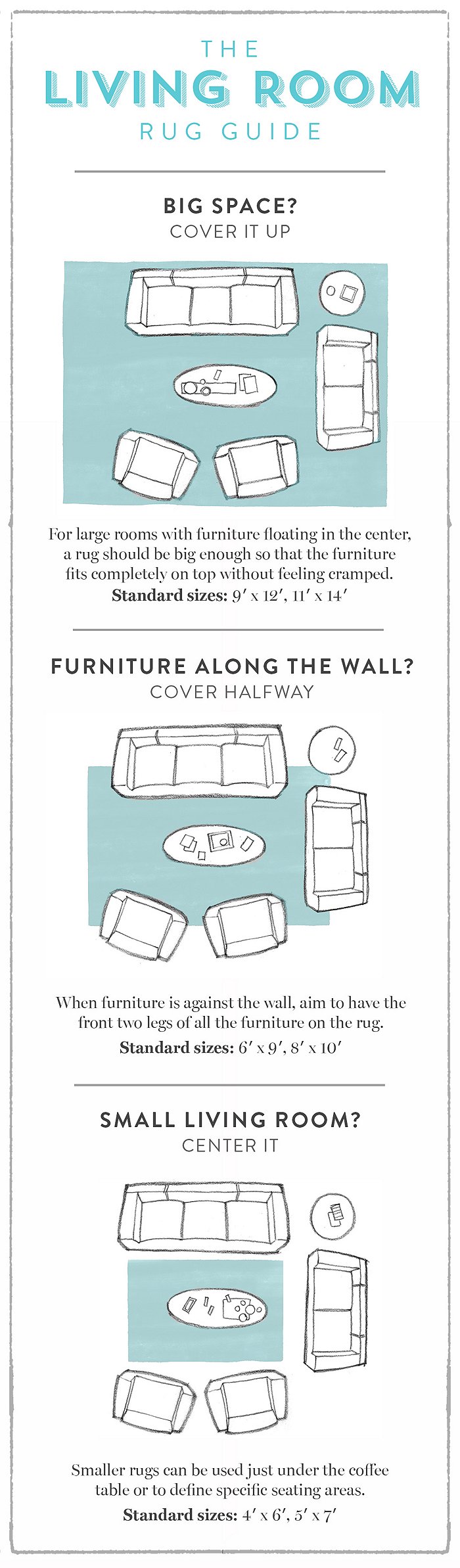
Use simple rules for consistent results. These are practical and fast to apply.
Living room with sofa and coffee table
- Sofa front legs on rug: choose a rug at least as wide as the sofa and extend 6–12 inches beyond each side.
- All furniture on rug: pick a rug wide enough so all legs rest on it; often a 5 x 8 or 8 x 10 in standard rooms.
Small seating area
- Use a 4 x 6 or 5 x 8 and center the coffee table on the rug. Keep front legs on the rug.
Sectionals
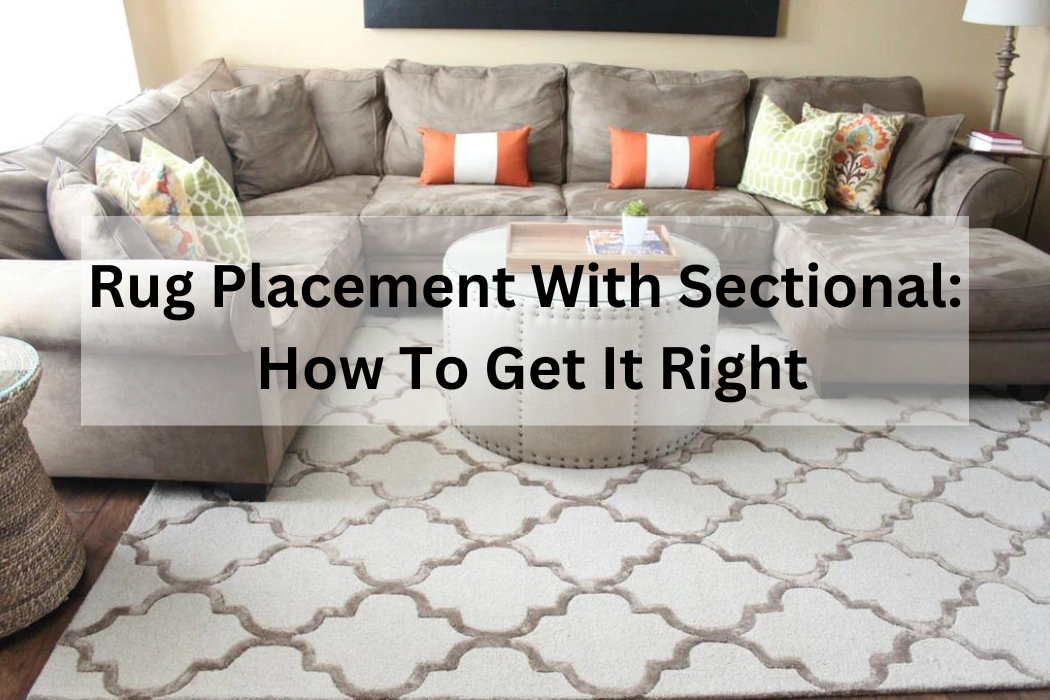
- For L-shaped sectionals, pick a rug that allows the long side to have front legs on the rug. Larger 8 x 10 or 9 x 12 rugs are common.
Dining table
- Rug should extend 24 inches beyond table edges so chairs stay on when pulled out. This prevents tipping.
- For a full or queen bed: use 8 x 10 or 9 x 12 so rug sits under the lower two-thirds of the bed and extends on either side.
- For a twin or small room: a 3 x 5 or 4 x 6 can sit beside the bed.
These rules simplify how to pick throw rug sizes for furniture layout and make decisions fast while staying stylish.

Common mistakes and how to avoid them
Avoid tiny rugs under big groups. They break the visual link between pieces. Avoid rugs that stop short of furniture legs.
How to avoid errors
- Test with tape on the floor before buying.
- Consider rug shapes and pathways; don’t block doors.
- Think about scale: large patterns need larger rugs to read well.
Being deliberate about how to pick throw rug sizes for furniture layout keeps rooms balanced and functional.

Material, shape, and pile: how they affect size choice
Material affects how a rug sits and how it reads in a room. High-pile rugs feel large and lush; low-pile rugs suit dining areas.
Considerations
- Low pile for dining and heavy traffic.
- Natural fibers for breathability; synthetics for stain resistance.
- Round rugs work under round tables and in small nooks.
Material and shape can influence whether you opt for a slightly larger or smaller rug when deciding how to pick throw rug sizes for furniture layout.

People also ask
What size rug should I pick for a small living room?
A 4 x 6 or 5 x 8 rug that seats the front legs of furniture usually works well in small living rooms.
Can a rug sit under a coffee table only?
Yes—this works for casual setups, but make sure the rug is large enough to visually connect the table to at least the sofa’s front legs.
Should a rug be centered in the room or with furniture?
Center rugs with the furniture group they anchor rather than the room; this keeps seating cohesive and balanced.
Personal experience and practical tips
I once staged a small rental and used tape to lay out two rug sizes. The smaller rug looked like an island. The larger rug unified the seating and sold the place faster. Learn from my mistake: measure, tape, then buy.
Practical tips I use often
- Tape out the rug footprint before purchase.
- Leave consistent spacing around furniture—6–18 inches is common.
- Layer rugs for texture if your rug is slightly small for the group.
These tested steps make how to pick throw rug sizes for furniture layout less stressful and more precise.

Frequently Asked Questions of how to pick throw rug sizes for furniture layout
What size rug should I buy for a sofa?
Aim for a rug that is at least the width of the sofa and allows 6–12 inches beyond each side if the sofa front legs sit on it.
How much space should be between rug and wall?
Keep 6–12 inches of bare floor showing along walls in small rooms, and up to 18 inches in large rooms for balance.
Can I use a round rug with a rectangular furniture layout?
Yes. A large enough round rug can anchor a seating group, but ensure the rug touches or contains key furniture legs.
Is there a rug size rule for dining tables?
Extend the rug about 24 inches beyond the table edges so chairs remain on the rug when pulled out.
How do I layer rugs without making the room look busy?
Use a larger neutral base rug with a smaller patterned rug on top. Keep colors coordinated and sizes proportional to the furniture group.
Conclusion
Choosing the right rug size starts with measurement, a clear plan for the furniture group, and a few rules of thumb. Tape layouts, aim to anchor furniture, and choose a rug that supports traffic and scale. Try one change at a time, and you’ll see how a well-sized rug transforms a room.
Take action: measure your space, tape a few rug options, and pick the size that creates balance. If this helped, leave a comment or subscribe for more practical design guides.

Daniel Hart is a consumer product analyst who specializes in mattress technology, smart bedding, and home comfort innovation. Before joining Royal Comport, Daniel worked with several e-commerce research teams, testing and comparing sleep products for quality, value, and long-term performance. He brings data-driven insight and real-world testing to every review he writes.


