
Clean, dry, and seal brass regularly using mild cleaners and a light protective wax.
With years of hands-on experience restoring and caring for metal accents, I will walk you through clear, proven steps on how to maintain brass home accents to avoid tarnish. This guide blends practical tips, safe cleaning methods, and real-life lessons so you can keep brass bright and lasting longer with little effort.

Why brass tarnishes: basics you should know
Brass is an alloy of copper and zinc. Over time, the copper reacts with oxygen and sulfur in air. This creates a dull layer called tarnish or patina. Moisture, skin oils, heat, and pollutants speed the process. Understanding these drivers helps you learn how to maintain brass home accents to avoid tarnish in day-to-day life.

Preventive care: daily and weekly routines
A small routine prevents big problems. Wipe brass pieces once a week with a soft, dry microfiber cloth to remove dust and oils. Avoid touching polished brass with bare hands; use gloves or a cloth. Keep brass away from damp areas and do quick checks after cooking or bathing to stop buildup. These simple steps form the core of how to maintain brass home accents to avoid tarnish without harsh chemicals.
:strip_icc()/BHG-How-to-Clean-Silver-to-Prevent-Tarnish-Using-Pantry-Ingredients-Primary-97f9589113b4496bb7c697a78abea21d.jpg)
Cleaning methods: gentle to deep clean
Start with the mildest method and step up only if needed. For light dirt, use warm water and mild dish soap, rinse, and dry. For light tarnish, mix equal parts vinegar and water or lemon juice and water, apply gently, then rinse and dry. For heavier tarnish, use a paste of baking soda and water or a commercial brass cleaner following label instructions. Always test on a hidden area first to confirm it won’t harm the finish. These choices show practical ways to learn how to maintain brass home accents to avoid tarnish while protecting finish.
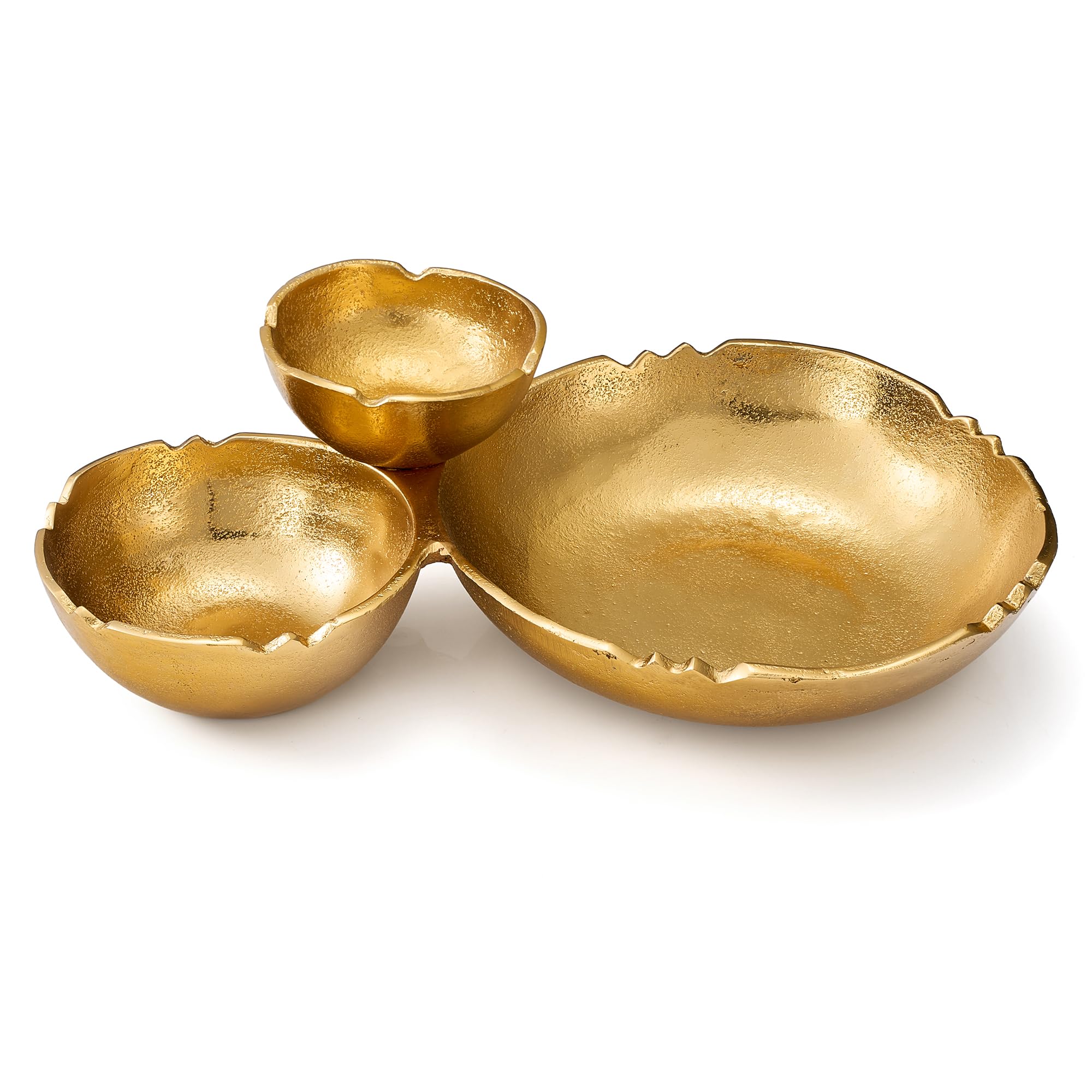
Natural versus commercial polish options
Natural polishes
- Lemon and salt: cuts through light tarnish quickly.
- Baking soda paste: mild abrasive for safe scrubbing.
- Vinegar soak: good for removable, heavily tarnished pieces.
Commercial polishes
- Formulated for brass with protective ingredients.
- Often faster and less messy for large or ornate items.
Pick the option that matches the piece and finish. If a brass accent is lacquered, avoid acidic home mixes and use cleaners made for lacquered brass. This helps maintain integrity and shows the right way to maintain brass home accents to avoid tarnish depending on the product.

Protecting finishes and long-term care
After cleaning, protect the surface. Options include clear lacquer, microcrystalline wax, or a thin oil layer. Lacquer gives long protection but must be applied on clean, dry metal. Wax is easy to reapply and is safe for many finishes. Keep an eye on humidity and pollution in the room. Regular protection is the most reliable way to maintain brass home accents to avoid tarnish over years.

Common mistakes and how to avoid them
Avoid these frequent errors.
- Using abrasive pads that scratch the brass surface.
- Applying acid-based cleaners to lacquered brass.
- Leaving cleaning paste on too long; it can dull polish.
- Relying only on polishing without sealing afterward.
Learned from experience: a single scratch invites faster tarnish. Correct care prevents recurring damage and is central to how to maintain brass home accents to avoid tarnish without extra cost.

Tools and supplies checklist
Keep a small kit handy.
- Soft microfiber cloths
- Cotton gloves or lint-free towels
- Mild dish soap
- White vinegar, lemon, baking soda
- Soft-bristled toothbrush for crevices
- Microcrystalline wax or brass lacquer (as needed)
- Commercial brass polish (for heavy jobs)
Store items in a dry box so they stay ready. A small kit makes how to maintain brass home accents to avoid tarnish easy and fast.

Personal tips and real-life examples
I once restored a set of brass cabinet pulls that had heavy kitchen grime. I soaked the pulls overnight in warm soapy water, used a soft brush, applied wax, and reinstalled them with gloves. They stayed bright for over a year. Lesson learned: patience matters. Don’t rush cleaning. Work gently and seal afterward. These practices reflect real ways to maintain brass home accents to avoid tarnish that I have tested in real homes.

Frequently Asked Questions of how to maintain brass home accents to avoid tarnish
What is the best everyday habit to prevent brass tarnish?
Wipe brass with a soft, dry cloth weekly to remove oils and dust. This simple habit reduces the need for deep cleaning.
Can you use toothpaste to clean brass?
Toothpaste works as a mild abrasive on heavy tarnish, but test first. Avoid on lacquered pieces and rinse thoroughly.
How often should I polish brass fixtures?
Polish only as needed, typically every 3–12 months based on use and exposure. Over-polishing can thin finishes.
Is it safe to use vinegar on brass?
Vinegar is safe for many unfinished brass pieces when diluted and rinsed well. Do not use on lacquered or antique finishes.
Should I lacquer indoor brass pieces?
Lacquering can give long-term protection and reduce maintenance for high-touch items. It may alter color slightly, so test small areas first.
Conclusion
Keep a simple routine: clean gently, dry fully, and seal when needed. These steps will help you maintain brass home accents to avoid tarnish and enjoy bright, lasting pieces in your home. Start with one small project this week, test a safe cleaner, and make a kit for future care. Share your results, subscribe for more tips, or leave a comment about a brass piece you want help with.

Daniel Hart is a consumer product analyst who specializes in mattress technology, smart bedding, and home comfort innovation. Before joining Royal Comport, Daniel worked with several e-commerce research teams, testing and comparing sleep products for quality, value, and long-term performance. He brings data-driven insight and real-world testing to every review he writes.


