

Smart luxury gadgets are no longer just status symbols—they are finely engineered tools that merge premium materials, intelligent automation, and flawless user experience. After years of hands-on testing across audio, wearables, home automation, and connected appliances, I’ve learned that the best devices earn their price tag by saving time, enhancing comfort, and integrating seamlessly into daily life. This guide breaks down what truly defines smart luxury in 2026, which categories deserve your attention, and how to choose, install, and maintain these devices without regret.
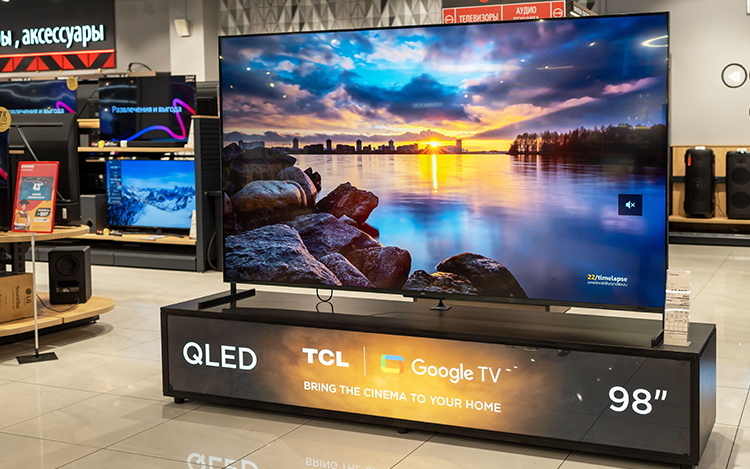
High-end smart devices blend discreet design with powerful technology.
What Are Smart Luxury Gadgets?
Smart luxury gadgets sit at the intersection of advanced engineering and craftsmanship. Unlike ordinary smart devices, they don’t just perform a function—they deliver an experience. Expect materials like CNC-machined aluminum, Italian leather, and sapphire glass. The software is equally refined: low-latency responses, intuitive companion apps, and over-the-air updates that improve performance rather than simply patch bugs. You can also read our guide on how to replace foam in sofa cushions.
Key traits that separate true luxury from expensive novelty:
- Purposeful automation — routines that genuinely eliminate steps, not just voice commands.
- Premium build quality — weight, texture, and finish that feel solid and deliberate.
- Ecosystem integration — works natively with major platforms (Apple Home, Google Home, Matter) without constant re-pairing.
- Concierge-level support — white-glove installation, priority repair, and extended warranties as standard.
In 2026, the market has matured. Devices no longer chase gimmicks; they focus on reliability, longevity, and meaningful interoperability. The best ones anticipate your behavior—learning sleep patterns, energy usage, and daily rhythms—without requiring constant supervision.
Top Categories and Notable Examples for 2026
Smart luxury spans more than just speakers. Based on my testing and industry feedback, these categories dominate the premium landscape this year.
Smart Speakers and High-Fidelity Audio
The category has moved beyond voice assistants. Flagship models now feature room-calibrating microphones, multi-driver arrays, and lossless streaming support. Look for:
- Adaptive sound tuning that adjusts to room acoustics
- Physical controls with tactile feedback
- Compatibility with lossless audio services (Amazon Music HD, Apple Music Lossless)
Luxury Wearables and Health Sensors
Premium smartwatches now offer medical-grade sensors: ECG, blood oxygen, skin temperature, and even blood pressure monitoring in certified models. In 2026, the focus is on actionable insights—not raw numbers. The best devices contextualize data and suggest small behavior changes.
Connected Home Appliances
Smart refrigerators with internal cameras, ovens with AI-assisted cooking, and washing machines that auto-dispense detergent. The luxury differentiator is quiet operation and predictive maintenance—appliances that alert you to issues before they become costly.
Personal Mobility and Smart Transport
High-end electric bikes, scooters, and even smart vehicle accessories. Think carbon-fiber frames, integrated GPS anti-theft, and adaptive suspension that learns your commute.
Whole-Home Automation and Security
From minimalist smart locks to whole-house lighting scenes that mimic natural daylight. The luxury comes from invisibility—sensors hidden in trim, controls that feel like part of the architecture.
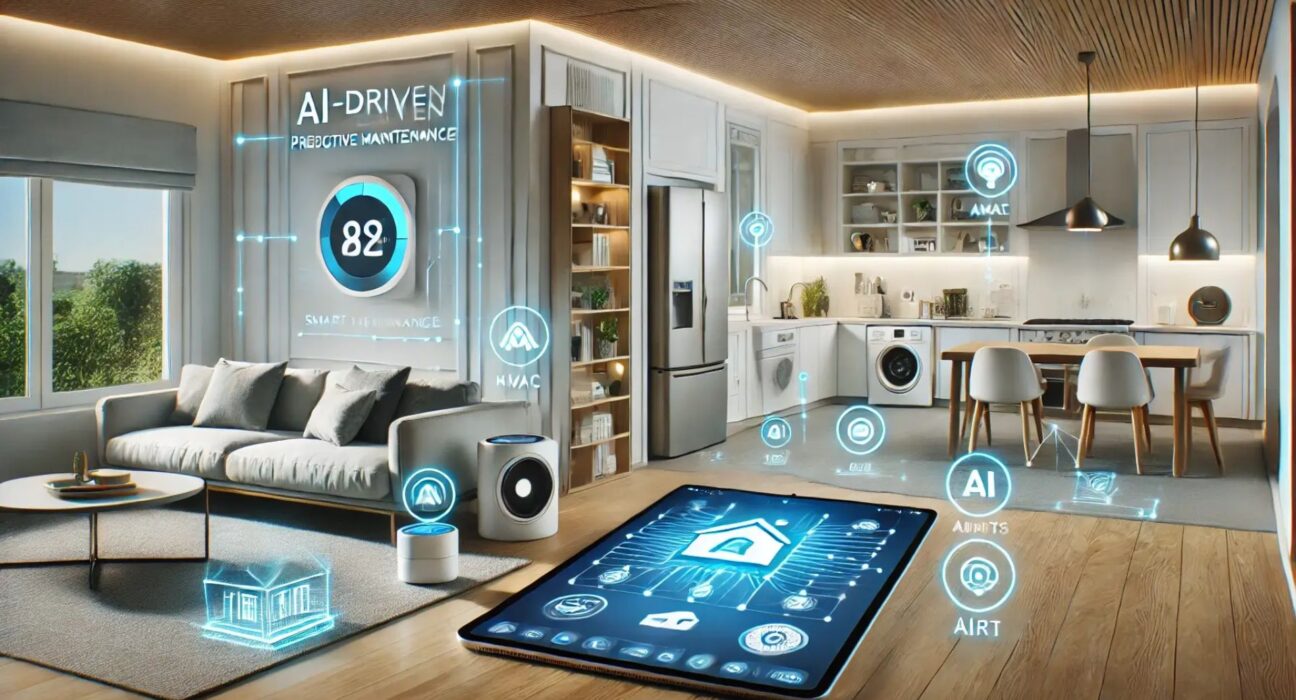
Connected appliances and automation now prioritize quiet, seamless operation.
Why Smart Luxury Gadgets Matter
Beyond the wow factor, smart luxury devices deliver tangible, everyday benefits.
Time and Energy Savings
Automation reduces repetitive tasks. A smart climate system learns your schedule and adjusts temperatures before you arrive, cutting energy use by an average of 10–15% without sacrificing comfort. Smart lighting can eliminate the “left the lights on” habit permanently.
Improved Wellbeing
Advanced wearables and sleep-tracking devices—when paired with a quality mattress and a consistent bedtime routine—help identify what disrupts your rest. For deeper guidance on building a sleep-friendly environment, see our restful nights guide.
Long-Term Durability and Support
Premium builds use repairable components and receive software support for five or more years. Cheaper alternatives often become e-waste within two. That longevity—plus faster, higher-quality customer service—justifies the upfront cost.
Status and Intentional Living
These gadgets reflect your taste. A curated set of smart devices—matching finishes, unified controls—makes a home feel cohesive and considered, not cluttered with tech.
How to Choose the Right Smart Luxury Gadgets
Buying smart luxury tech requires a clear decision path. Here’s the process I use when evaluating any high-end device.
Step 1: Define the Problem You're Solving
Don’t shop by feature list. Write down the specific pain point you want to fix—whether it’s morning chaos, poor sleep temperature, or unreliable security. That clarity will guide every subsequent choice.
Step 2: Verify Ecosystem Compatibility
Check the device works with your existing platform (Apple Home, Google Home, Alexa) and with emerging standards like Matter. Cross-platform support is more common in 2026, but some brands still lock exclusive features behind their own app.
Step 3: Investigate Real-World Performance
Read hands-on reviews from independent testers, not just vendor marketing. Look for comments on latency, app reliability, and how often firmware updates degrade functionality. A beautiful device with clunky software is a constant annoyance.
Step 4: Evaluate Service and Warranty
Luxury means support when things go wrong. Ask about white-glove installation, on-site repair, and the length of the warranty. For complex systems like whole-home automation, certified installers are worth the extra cost.
Step 5: Balance Features Against Daily Use
Prioritize features you will actually use weekly. A smart oven with 50 preset recipes is wasted if you only ever roast vegetables. Reject flashy extras that add complexity without saving time.
Try Before You Buy
Whenever possible, visit a showroom and interact with the device. Touch the materials, test the app’s speed, and ask about setup. This hands-on inspection prevents most post-purchase regret.
Installation, Setup, and Maintenance
Once you’ve chosen, proper setup is critical. Here’s how to avoid common pitfalls.
Network Readiness
- Use a dedicated Wi-Fi network for smart devices, especially if you have more than 15 connected items.
- Enable QoS (Quality of Service) on your router to prioritize traffic for critical devices like locks and cameras.
- Update firmware before connecting to your main network to avoid early bugs — I once lost speaker tuning profiles by skipping this step.
Professional Installation
For integrated systems (lighting, climate, whole-home audio), hire certified technicians. They’ll ensure proper voltage, hardware mounting, and network segmentation. Unauthorized installation can void warranties and compromise safety.
Maintenance Best Practices
- Monthly: check for firmware updates and review device health in the companion app.
- Quarterly: clean sensors and vents with manufacturer-recommended products.
- Annually: re-evaluate battery health and backup settings for critical devices.

Professional installation ensures optimal performance for complex setups.
Costs, Value, and Return on Investment
Luxury pricing is justified only when the device saves you money or time over its lifetime. Always calculate total cost of ownership (TCO) before buying.
| Cost Component | What to Include |
|---|---|
| Purchase price | Retail, taxes, shipping |
| Installation | Professional setup if required |
| Subscriptions | Cloud storage, premium features, monitoring |
| Repairs/parts | Out-of-warranty service, consumables |
| Energy use | Smart energy savings can offset running costs |
When to Pay More
- If the device reduces stress or saves >2 hours weekly (e.g., a smart lighting/security system).
- If it avoids expensive damage (e.g., water leak detectors with automatic shutoff).
- If it offers 5+ years of support and repairs vs. 2 years on cheaper models.
When to Refrain
- If the primary benefit is appearance alone.
- If subscriptions are mandatory and add up to >$100/year without clear value.
- If the device locks you into a proprietary ecosystem that limits future flexibility.
Privacy, Security, and Sustainability in 2026
High-end devices must also be responsible. Recent firmware vulnerabilities have made security a top purchase criteria.
Privacy and Security Essentials
- Choose devices with local control (no cloud required for core functions) and strong encryption (AES-256 or better).
- Enable two-factor authentication on all associated accounts.
- Segment your smart home onto a separate VLAN to limit blast radius.
- Regularly patch devices—set a monthly reminder.
For practical guidance on securing your connected environment, the NIST cybersecurity framework offers a solid baseline.
Sustainability and Repairability
- Prefer brands that publish repairability scores and offer spare parts.
- Look for minimum 5-year software update commitments.
- Use manufacturer take-back or recycling programs when retiring old devices.
Ask the vendor directly about their data retention policy and update timeline. Transparent brands will provide clear, written answers.
Personal Experiences and Practical Tips
After testing dozens of high-end devices, these lessons stand out.
What I’ve Learned
- The best device is the one that “disappears.” If you’re frequently adjusting the app, the integration is poor.
- Seamless beats feature-rich. A single reliable automation is worth more than ten half-working commands.
- Premium support saves you hours. When a device failed, having a direct line to knowledgeable technicians was invaluable.
Daily Habits That Improve the Experience
- Create simple morning and evening routines—one command that triggers lights, thermostat, and coffee.
- Group devices by room, not by type. Saying “Goodnight” should turn off everything in the bedroom.
- Maintain a backup account for critical devices in case of lockouts.
Mistakes to Avoid
- Buying a gadget only because it looks premium—test the app, test the response time.
- Ignoring subscription costs that inflate the TCO.
- Overloading a single Wi-Fi band with 20+ devices, causing latency issues.
Frequently Asked Questions
What defines a gadget as “smart luxury”?
A smart luxury gadget combines advanced connectivity, automation, and premium materials with a refined user experience that includes high-quality support and long-term reliability.
Are smart luxury gadgets worth the extra cost?
Yes, when they save time, improve wellbeing, or last significantly longer than cheaper alternatives. Calculate your own TCO, including subscriptions and installation.
How do I protect my privacy with smart luxury gadgets?
Use strong unique passwords, enable two-factor authentication, prefer local-control options, and keep firmware updated. For a deeper dive into protecting your data, the FTC’s consumer advice is an excellent resource.
Do smart luxury gadgets require subscriptions?
Many offer premium cloud features (video history, advanced AI analytics) that require subscriptions. Always check long-term costs before purchase.
Can smart luxury gadgets integrate with existing systems?
Most support popular ecosystems (Matter, HomeKit, Google Home, Alexa), but compatibility varies. Verify platform support and voice assistant integration first.
Conclusion
Smart luxury gadgets in 2026 are about thoughtful integration, not raw specs. They earn their price through time savings, enhanced comfort, and durable construction. Start by identifying one specific problem you want solved—then test, install, and maintain that device properly. Check sleep improvement tools and smart mattress innovations if your first priority is rest. Begin with a single, well-chosen device, verify it delivers real value, then expand your ecosystem with confidence.

Daniel Hart is a consumer product analyst who specializes in mattress technology, smart bedding, and home comfort innovation. Before joining Royal Comport, Daniel worked with several e-commerce research teams, testing and comparing sleep products for quality, value, and long-term performance. He brings data-driven insight and real-world testing to every review he writes.


