

Designing a home that feels genuinely luxurious isn't about filling rooms with expensive objects. The most elegant spaces share a quiet confidence: every piece has a purpose, every material has a reason to be there, and nothing screams for attention. Achieving this look requires a disciplined eye, a clear plan, and a willingness to prioritise quality over quantity. This guide walks you through the principles, materials, and practical steps needed to craft an interior that feels refined, liveable, and timeless.
What High-End Aesthetic Decor Really Means
High-end aesthetic decor is less about a specific style and more about a design philosophy. It prioritises restraint, craftsmanship, and cohesion. A room designed this way feels calm because every element works together—the proportions are balanced, the textures are layered, and the overall effect is one of effortless sophistication. You can also read our guide on top materials used in luxury bedding decor.
Luxury in decor is often mistaken for opulence. In practice, true high-end design is measured by the quality of the details: the weight of a door handle, the tightness of a fabric weave, the joinery of a solid wood table. These are the elements that make a space feel special on a daily basis.
Core Principles of Luxurious Design
Timelessness Over Trends
Elegant spaces avoid being slaves to fleeting fads. Classic silhouettes, neutral foundations, and understated flourishes will look graceful for decades. If you are tempted by a trend, introduce it through accessories like cushions or art—items that are easy to change without overhauling the room. For more on this, see our guide on what makes a product high end.
Quality Over Quantity
The most common mistake in luxury decorating is buying too many mediocre items. A single, well-constructed sofa will transform a living room far more than a collection of cheaper pieces. Invest in the furniture you use daily, such as the sofa, dining table, and bed. These anchor the room and dictate comfort.
Cohesion Through Repetition
A curated look comes from repeating colours, textures, and materials throughout a space. If you use brushed brass accents in the lighting, echo that finish in the furniture hardware. This repetition creates a sense of order and intentionality. For more on this, see our guide on how to pick decorative pillows that feel high.
The Luxury of Function
Beauty must be practical. A high-end room is not a museum; it is a place for living. Choose durable fabrics for high-traffic areas, ensure seating is comfortable, and design layouts that facilitate conversation and movement. The ultimate luxury is a home that works as well as it looks.
Choosing Materials and Textures That Age Well
The tactile experience of a room is what separates good design from great design. Texture adds depth and invites touch, and the right materials will develop a pleasing patina over time. For more on this, see our guide on 15 proven tips for a good sleep at.
- Natural Stone: Marble, limestone, and honed granite bring a sense of weight and permanence. They are perfect for kitchen counters, fireplace surrounds, and accent tables. Honed finishes hide the minor etching that polished stone can show.
- Solid Wood: Walnut, oak, and teak are durable and rich. Look for pieces with solid construction and dovetail joinery. These are investments that can last a lifetime.
- Luxurious Fabrics: Wool, silk blends, and heavyweight linen add softness and drape beautifully. Use them for window treatments, upholstery, and throw pillows.
- Metal and Glass: Brushed brass, matte black steel, and smoked glass provide a refined contrast to softer materials. Use them sparingly—as table legs, picture frames, or light fixtures—to avoid a cold or sterile feel.
A common mistake is to use too many competing textures. The key is contrast: a smooth marble counter against a rough linen curtain, or a sleek leather chair on a textured wool rug. These pairings create visual interest and make each material stand out.
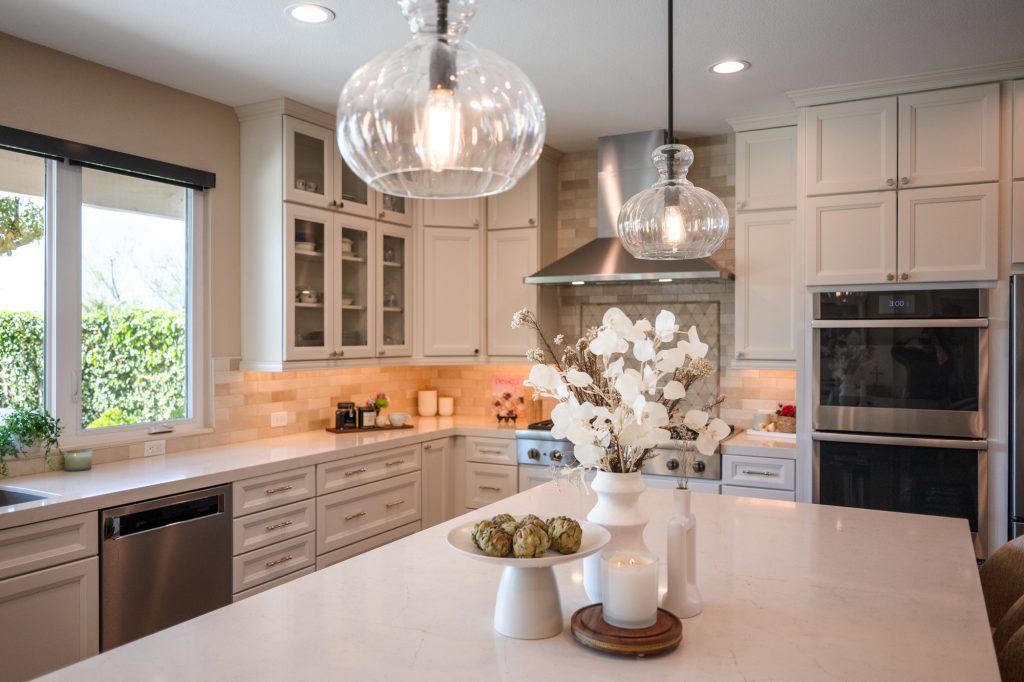 Image source: kaminskiyhomeremodeling.com A kitchen showing the balance of stone, wood, and warm lighting typical of high-end design.
Building a Refined Color Palette
Colour is the emotional backbone of a room. High-end interiors often rely on a disciplined, layered approach to colour rather than bold, clashing hues. For more on this, see our guide on helix dusk luxe mattress review.
Start with a Neutral Base
Warm whites, soft greiges, and gentle taupes form the perfect backdrop. They reflect light, make the room feel larger, and allow materials and furniture to take centre stage. A neutral base also gives you flexibility to change accent colours without repainting.
Layer Accents with Restraint
Choose one to three accent colours and use them deliberately. Deep navy, olive, rust, or muted terracotta add richness without overwhelming the senses. Repeat these accents in different forms—a throw blanket, a ceramic vase, an armchair—to create a cohesive flow.
The Power of Tone-on-Tone
Mix shades from the same colour family for subtle depth. A room with varying shades of beige, from the wall paint to the linen sofa to the jute rug, can feel layered and dynamic without being busy.
Use Contrast as Punctuation
A dark accent wall, a black window frame, or a charcoal headboard can anchor a soft scheme and provide dramatic focus. Use this type of contrast sparingly, treating it as punctuation rather than the main sentence.
Furniture, Scale, and Spatial Layout
Getting the layout right is often more important than the furniture itself. A perfectly chosen sofa placed incorrectly can ruin the feel of a room.
Scale is Everything
Furniture must be proportional to the room. An oversized sectional will swallow a small living room, while dainty pieces get lost in a grand one. Measure your space carefully and even use painter's tape to outline the footprint of a prospective sofa or bed on the floor before purchasing.
Prioritise Investment Pieces
Allocate the majority of your budget to the items that define the space: the sofa, the bed, the dining table, and the main chairs. These are the workhorses of your home.
Respect Negative Space
A room needs breathing room to feel luxurious. Resist the urge to fill every corner. Spacing furniture away from walls and leaving open floor space creates a sense of calm and ease.
Define Functional Zones
In open-plan living spaces, use rugs and lighting to define zones. A large rug can anchor a seating area, while a table lamp and a floor lamp can delineate a reading nook. This creates structure without needing walls.
Mix Old and New
A curated space tells a story. Pairing a vintage mid-century chest with a modern sofa, or an antique mirror with contemporary art, adds layers and character. The mix of eras prevents a room from feeling like a showroom.
 Image source: youtube.com A statement light fixture acts as the focal point for a well-proportioned dining room.
Lighting: The Architect of Mood
Lighting is the most transformative element in any interior. Poor lighting can make the finest materials look dull, while good lighting can make budget items look expensive.
Always Layer Your Light
A single overhead light is rarely sufficient. You need three layers: ambient (general illumination), task (for reading or cooking), and accent (to highlight art or create drama). Use a combination of ceiling fixtures, floor lamps, table lamps, and picture lights.
Invest in Dimmers and Warm Bulbs
Dimmer switches are a genuine luxury. They allow you to adjust the mood from bright and productive to warm and intimate. Use warm LEDs with a colour temperature around 2700–3000K to create a flattering, welcoming glow. Avoid cool, blue-toned light.
Make a Statement with One Fixture
Let one or two sculptural fixtures—a chandelier over the dining table, a dramatic pendant in the entryway—be the hero. The rest of the lighting should recede into the background.
Quality lighting doesn't have to mean expensive architectural changes. Swapping out a basic flush mount for a statement shade, or adding a large floor lamp to a dim corner, can have a dramatic effect on the room's ambiance. For longer, more restful evenings, consider how your lighting choices interact with your overall sleep environment—the way we balance light and comfort in our homes plays a direct role in how well we rest. In fact, a well-designed space that supports wind-down is the first step toward building healthy sleep habits, so consider the whole experience of the room before you call it finished.
 Image source: youtube.com Layered ambient and table lighting creates a relaxed, sophisticated atmosphere.
Art, Accessories, and the Art of Curation
The styling of a room is where personality emerges. It is also where many homes go wrong, drowning beautiful spaces in clutter.
Edit Ruthlessly
The adage "less is more" applies directly here. Choose a few high-quality accessories and give them space to breathe. A single large vase on a console table is more striking than a row of smaller trinkets. As you style, step back and remove the item that seems to be fighting for attention.
Scale Art to the Wall
Artwork should be in proportion to its surroundings. Large, expansive walls benefit from a single oversized piece, while smaller walls or hallways work better with a curated gallery wall of smaller framed prints. As a rule, the centre of art should be at roughly eye level for comfortable viewing.
Let Personal Pieces Tell a Story
Travel souvenirs, books, family photographs, and inherited objects add soul to a room. The key is to display them thoughtfully, grouping them into vignettes with a clear theme and colour story.
Bring in Life with Greenery
Live plants soften hard lines, improve air quality, and add a sense of vitality. Choose plants that match your light levels, and if you travel often, opt for low-maintenance varieties like snake plants, pothos, or ZZ plants.
Budgeting and Sourcing for a High-End Look
Luxury is often about allocation, not total spend. Smart sourcing strategies can help you achieve a high-end aesthetic without a high-end price tag.
Set Clear Priorities
Decide beforehand where you should splurge and where you can save. The bed and mattress are non-negotiable investments—a good night's sleep is the foundation of wellbeing. The sofa is a close second. For an outline on how to direct your budget, guidance on mattress costs can help you make an informed decision.
Mix Price Points
Pair a high-quality, expensive sofa with side tables from an antique shop or a large-scale retailer. A few budget items in the right context won't cheapen the room; they will add character.
Work with Local Makers
Custom furniture from local artisans can often offer better value than premium brand names. It gives you a unique piece that fits exactly your space and supports local craftsmanship.
Inspect Quality Before Buying
Learn to look past the surface. Check the back of a sofa for kiln-dried hardwood frames, examine dresser drawers for dovetail joints, and feel the weight of a metal fixture. A small flaw can become a costly repair later.
 Image source: amazon.com A well-styled bedroom shows the importance of layered textiles and a calm, curated palette.
Maintenance and Longevity: Protecting Your Investment
A high-end space is meant to last. With the right care, your furniture and materials will age gracefully for many years.
Protect High-Use Surfaces
Use coasters, placemats, and trivets on wood and stone. Area rugs protect flooring in high-traffic areas. Prevention is the cheapest form of maintenance.
Choose Finishes that Improve with Age
Matte or honed surfaces hide minor wear better than high-gloss finishes. Consider how a material will look in five years, not just on day one.
Establish a Simple Routine
Create a regular care schedule: clean and condition leather seating, rotate cushions to prevent uneven wear, and reseal stone countertops as recommended by your fabricator. Tending to your materials is the most reliable way to keep them looking their best, just as keeping a consistent sleep schedule safeguards your energy.
Plan for Change
Use neutral bases for large furniture pieces—sofas, beds, rugs—and update the look with colourful cushions, throws, and art. This allows you to refresh the room without replacing its most expensive components.
The Importance of Architectural Details
Paint, furniture, and lighting are the headline acts, but the details are the supporting cast. Consider upgrading simple builder-grade elements: swap a standard door handle for a solid brass version, install new switch plates, or add crown moulding. These small investments elevate the perceived value of an entire room by adding texture and permanence.
Common Mistakes to Avoid
Avoiding these errors is just as important as applying the positive principles.
Chasing Every Trend
Trend-following leads to a dated home within a few years. Stick to a classic foundation and add trends only through affordable, changeable items like throw pillows.
Over-Accessorising
Clutter is the enemy of elegance. If a surface feels crowded, remove items until it feels comfortable. Negative space is a luxury.
Ignoring the Rule of Scale
Buying a sofa that is too large can actually make the whole room feel smaller and more cluttered. Always measure and mock up before you purchase.
Relying on a Single Overhead Light
Flat, shadowless lighting removes depth and makes a room feel like a waiting room. Layering light is essential for mood and functionality. If you often feel sluggish in the evenings, adjusting your room's lighting is one of several simple changes that can make a difference.
Skimping on the Bed
A beautiful room is useless if you don't sleep well in it. The bed is both a style statement and a health priority. The right mattress is the foundation upon which both comfort and style rest. When you invest in a quality sleep surface, you are investing in your daily energy and mood, so consider this your first priority.
Frequently Asked Questions
What is the most important element of High-End Aesthetic Decor?
Quality is the most important element. A few well-made, durable pieces with timeless design will have more impact than a room full of cheaper, trend-driven furniture. Look for solid construction and natural materials that will age gracefully.
Can High-End Aesthetic Decor be achieved on a budget?
Yes. The approach is about allocation. Spend your budget on the furniture you use daily, such as the sofa and bed, and be creative with the rest. Thrifted finds, local makers, and a careful edit of accessories can create a luxurious feel without a luxury price tag. If you are choosing between several quality options for your bed, a review and model comparison can simplify the process.
How do I choose a color palette for a high-end look?
Start with a neutral base of warm whites, beiges, or muted greys. Layer in one to three muted accent colours, such as olive, navy, or rust. The key is to repeat these accents throughout the room for cohesion.
How much lighting is enough for a luxe interior?
Use at least three layers: ambient light for general illumination, task light for specific activities like reading, and accent light to highlight art or architectural features. Install dimmers wherever possible to control the mood.
How long should furniture last in a high-end design?
With proper care, investment-grade furniture should last 10–20 years or longer. Look for solid wood, hardwood frames, and high-quality upholstery fabrics that can be cleaned and maintained.
Is mixing styles allowed in High-End Aesthetic Decor?
Absolutely. Mixing traditional, modern, and vintage pieces adds depth and character. The key is to maintain a consistent scale and colour palette so the mix feels intentional and harmonious.
Conclusion
Creating a high-end aesthetic is a rewarding process that transforms a house into a sanctuary. It demands patience, a clear vision, and a focus on quality over quantity. Start by establishing a strong foundation: invest in a good bed, choose a sofa that fits your space, and build a calm, cohesive colour palette. Then, add layers of texture and curated personal pieces. Remember that restraint is your most powerful tool. As you continue to refine your style, remember that the goal is not perfection, but a home that feels authentically yours, with the kind of calm elegance that never goes out of date. Start with one room this week—swap out a light, or edit a cluttered shelf—and begin building the home you deserve.

Daniel Hart is a consumer product analyst who specializes in mattress technology, smart bedding, and home comfort innovation. Before joining Royal Comport, Daniel worked with several e-commerce research teams, testing and comparing sleep products for quality, value, and long-term performance. He brings data-driven insight and real-world testing to every review he writes.


