

Sew chair cushions by measuring, cutting fabric and foam, then sewing a removable cover.
I have sewn dozens of cushions and taught friends to make their own. This guide on How to sew chair cushions walks you through tools, measuring, cutting, sewing, and finishing. Read on for clear steps, pro tips, and simple tricks to make cushions that last.
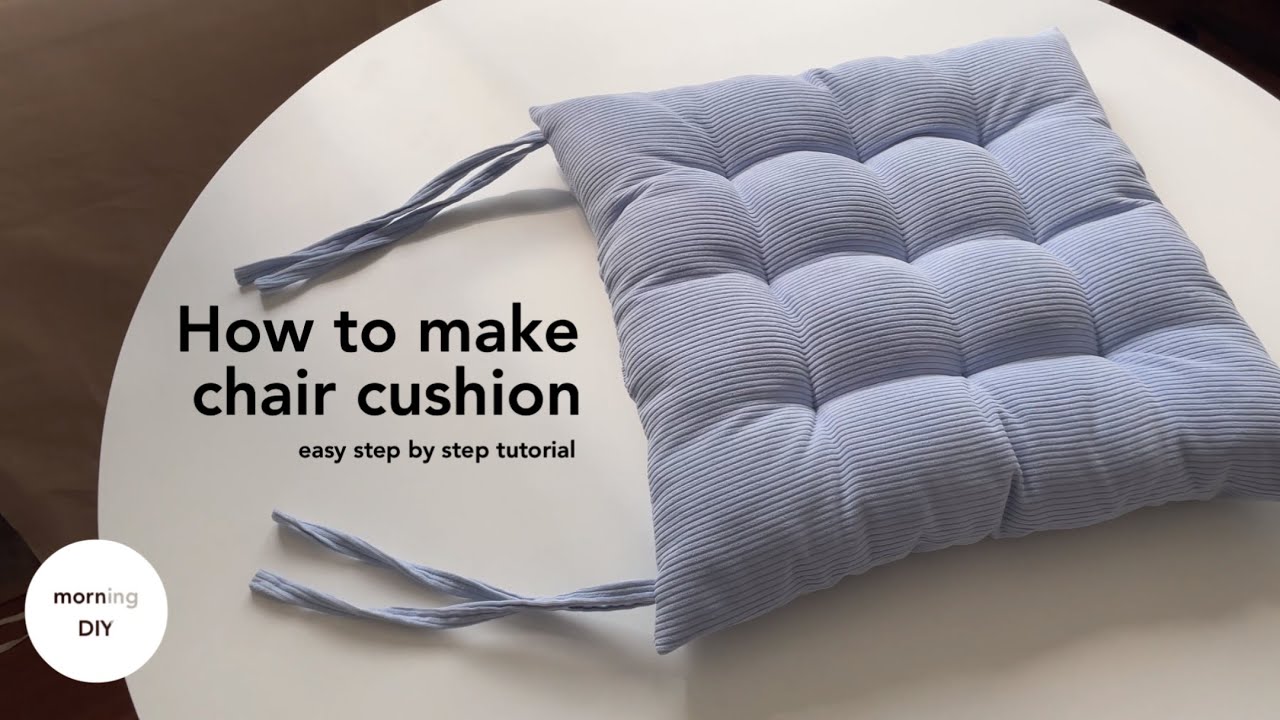
Materials and Tools
You need the right tools. This makes the job smooth and fast. Gather everything before you start.
- Sewing machine with a heavy needle
- Upholstery or heavy-duty thread
- Fabric scissors and rotary cutter
- Tape measure and yardstick
- Pins or clips and a seam ripper
- Foam or batting for the insert
- Zipper or hook-and-loop tape for removable covers
I prefer a 90/14 or 100/16 needle for thick fabric. Good thread and a sharp needle cut frustration. My first cushions failed with weak thread. I learned to test seams on scrap fabric first. This saves time and keeps cushions neat.

Measure and Plan
Measure the chair seat and any back cushion twice. Add seam allowance and optional piping. Planning prevents wasted fabric.
- Measure width, depth, and thickness of the seat.
- Add 1 inch total for each seam (0.5 inch per side).
- Add extra for piping or a knife-edge finish if you want a tailored look.
Make a simple paper template. I trace the seat onto kraft paper. This step saved me fabric several times. Mark corners and curves clearly. Keep notes of foam thickness and preferred firmness.

Cut Fabric and Foam
Cut fabric and foam carefully. Use clean, straight edges for a neat look. Cut both pieces at the same time when possible.
- Fold the fabric right sides together and pin the pattern.
- Cut the top and bottom pieces according to the template.
- Cut the side panels to match seat depth plus seam allowances.
- Trim foam to the exact finished size or leave 1/2 inch smaller for a snug fit.
I use a serrated bread knife or electric foam cutter for clean foam edges. When fabric is patterned, match patterns first. Label pieces so you do not mix them up during sewing.

Sew the Cushion Cover
Sewing the cover is the core of How to sew chair cushions. Use simple seam techniques for strength and a neat finish.
- Sew side panels to the top piece first. Pin often and stitch with a straight stitch.
- Press seams open or to one side for a clean join.
- Add piping if desired by stitching it to the top or side seam before assembly.
- Install a zipper or hook-and-loop tape along one side or the back edge for a removable cover.
- Join the final seam and finish raw edges with a zigzag stitch or serger.
Keep seams straight and slow down at corners. I sew at 1/2 inch seam when I want a snug fit. Test the zipper placement on scrap fabric. A well-placed zipper makes washing easy and protects your cushion.
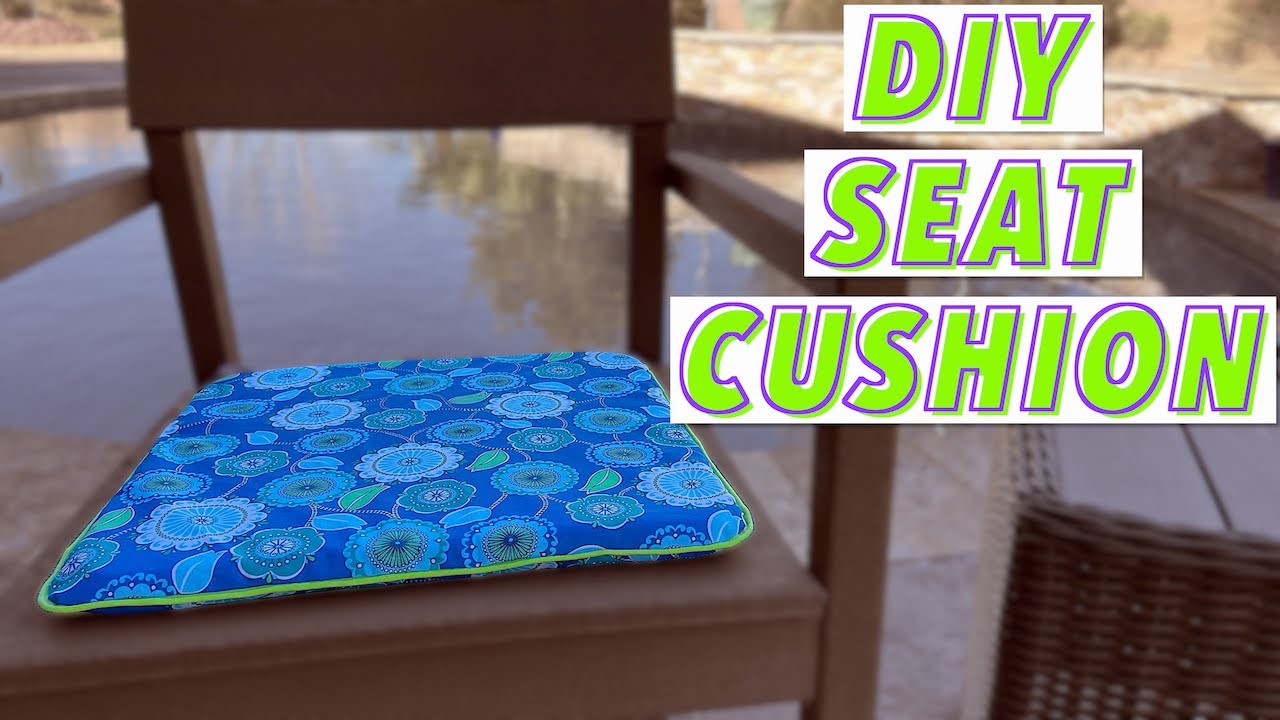
Make the Insert and Finish
A good insert keeps the cushion comfy and full. Choose foam density by use and comfort.
- Use high-density foam for firm dining chairs.
- Use medium density or add batting for softer living room cushions.
- Wrap foam in batting for rounded edges and extra comfort.
- Insert foam into the cover and zip or close the opening.
If the foam is slightly snug, the cushion looks plump. If it is loose, add a foam layer or batting. I once made seats with removable inserts for easy cleaning. That choice made maintenance much easier for my household.
Troubleshooting and Tips
Small fixes go a long way. These tips help you avoid common issues when learning How to sew chair cushions.
- Seams puckering
- Use a longer stitch length and test tension on scrap fabric.
- Zipper hard to sew
- Use zipper foot and baste the zipper in place first.
- Ill-fitting cover
- Recheck measurements and adjust seam allowance by 1/4 inch.
- Foam sliding inside
- Add a slip stitch or hook-and-loop strip to hold the insert in place.
Work with scrap fabric to test settings. I always sew a sample seam and try the zipper on a scrap. This habit saved me time and many redo jobs. Be patient and check fit often while you sew.
Frequently Asked Questions of How to sew chair cushions
### What fabric works best for chair cushions?
Choose a durable fabric like upholstery fabric, outdoor fabric, or a heavy cotton blend. These fabrics resist wear and provide a long life for cushions.
How thick should the foam be for seat cushions?
Common seat foam ranges from 2 to 4 inches depending on comfort and chair use. Dining chairs often use 2 to 3 inches and lounge chairs use 3 to 4 inches.
Can I machine wash a cushion cover?
Yes, if you use a washable fabric and a sturdy zipper, most covers can be machine washed on a gentle cycle. Always check fabric care and test a small piece first.
How do I add piping to a cushion?
Sew piping by attaching it to the seam between the top and side panels before final assembly. Use a piping foot and pin the piping evenly as you stitch.
Is it better to use a zipper or velcro?
A zipper offers a cleaner look and is more secure for washing. Hook-and-loop tape is easier to install but may wear faster and attract lint.
Conclusion
You can make beautiful, durable cushions by following clear steps and good planning. Measure carefully, choose the right materials, and sew slowly for neat seams. Try one cushion first to learn fit and finish. Share your results or ask questions to improve your next project.

Daniel Hart is a consumer product analyst who specializes in mattress technology, smart bedding, and home comfort innovation. Before joining Royal Comport, Daniel worked with several e-commerce research teams, testing and comparing sleep products for quality, value, and long-term performance. He brings data-driven insight and real-world testing to every review he writes.


