

Are your sofa cushions feeling too soft and losing their shape? If you want to sit comfortably without sinking in every time, making your cushions firmer is the key.
You don’t have to buy new ones or replace your whole sofa. With a few simple tricks, you can bring back that perfect level of support and comfort. Keep reading to discover easy, effective ways to make your sofa cushions firmer and enjoy your favorite seat like new again.

Credit: thistlewoodfarms.com
Causes Of Soft Sofa Cushions
Sofa cushions soften over time for several reasons. Understanding these causes helps you fix them effectively. Soft cushions make your sofa less comfortable. They lose their shape and support. Knowing why cushions get soft is the first step to making them firmer again.
Wear And Tear Over Time
Daily use breaks down cushion materials slowly. Sitting, lying down, and shifting weight causes pressure. This pressure flattens the foam and fibers inside. Over months and years, cushions lose their bounce. The fabric also stretches and sags, making cushions feel soft.
Low-quality Filling Materials
Cheap cushions use low-quality foam or fiberfill. These materials compress quickly and do not spring back. They break down faster than high-density foam or feather filling. Low-quality filling cannot hold its shape well. This leads to cushions feeling soft and flat.
Loss Of Supportive Structure
The cushion’s internal frame or springs can weaken. Frames made of wood or metal may bend or break. Springs lose tension and stop pushing the cushion up. Without a strong structure, the cushion collapses easily. This makes the sofa less firm and less comfortable.
Credit: consumedolhos.com.br
Quick Fixes For Firmer Cushions
Soft sofa cushions can make sitting less comfortable. Quick fixes can help make cushions firmer fast. These simple tips improve cushion support without much effort.
Fluffing And Rotating Regularly
Fluffing cushions adds air and lifts the filling. Do this by grabbing the corners and shaking them. Rotate cushions weekly to spread wear evenly. This keeps the cushion shape firm and fresh.
Adding Extra Filling
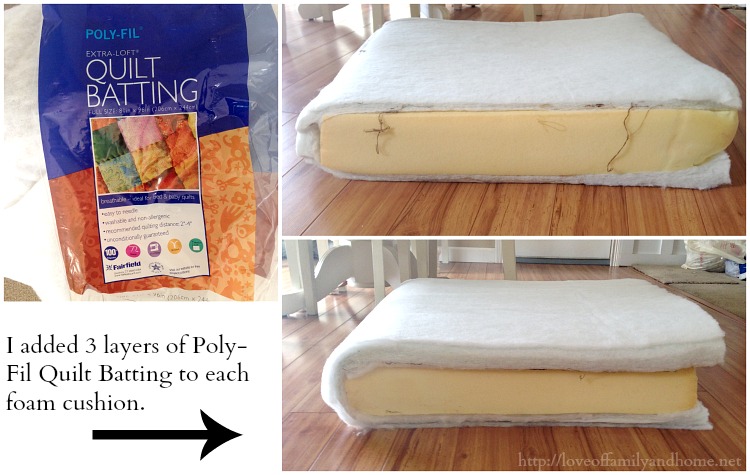
Extra filling boosts cushion firmness instantly. Use polyester fiberfill or batting to add bulk. Open the cushion cover carefully and insert the new filling. Spread it evenly for a smooth surface.
Using Foam Inserts
Foam inserts provide strong, lasting support. Choose high-density foam for the best firmness. Cut the foam to fit inside the cushion cover. Replace old filling with foam for a firm feel.
Diy Methods To Improve Firmness
Making sofa cushions firmer can improve comfort and support. Many cushions soften over time. Fixing them at home saves money and effort. You can try simple DIY methods to boost firmness. These ideas use easy-to-find materials and tools. Each method helps cushions feel like new again.
Replacing Cushion Filling
Start by removing the cushion cover. Take out the old filling carefully. Choose new foam or polyester fiberfill for firmer support. Cut the foam to fit the cushion size. Fill the cover evenly with the new material. Zip or sew the cover back. Test the cushion firmness and adjust as needed.
Sewing In Additional Batting
Batting is soft padding that adds shape and firmness. Open the cushion cover along a seam. Cut a piece of batting to fit inside. Insert the batting around the existing filling. This adds extra support without changing the cushion size. Sew the cover closed using a needle and thread. Press the cushion to spread the batting evenly.
Attaching Support Boards
Support boards add a firm base inside cushions. Cut a thin piece of plywood or hardboard to cushion size. Slide the board under the cushion filling inside the cover. This prevents sagging and improves firmness. Make sure the board fits snugly without bulging. Replace the cushion cover and test for comfort.
Choosing The Right Filling Materials
Choosing the right filling materials is key to making sofa cushions firmer. The filling affects comfort, support, and durability. Different materials offer different levels of firmness and bounce. Understanding these options helps you pick the best one for your sofa.
High-density Foam Options
High-density foam provides strong support and keeps shape longer. It is firm and resists sagging over time. This foam type is perfect for those who prefer a solid cushion. It adds durability without sacrificing comfort.
Memory Foam Benefits
Memory foam molds to your body shape for personalized support. It offers medium firmness and relieves pressure points. This material returns to its original form after use. It suits people who want a balance between softness and firmness.
Natural Fillings Like Wool And Down
Wool and down give a softer, plush feel but can be firm when packed tightly. Wool holds shape well and provides natural breathability. Down adds luxury but may need frequent fluffing. These natural fillings are good for those who like a cozy yet firm cushion.
Maintaining Firm Cushions Long-term
Keeping sofa cushions firm for a long time needs regular care and attention. Soft cushions can lose shape and support quickly without proper maintenance. Small habits can help keep your cushions looking and feeling fresh.
Routine Care Tips
Fluff cushions daily to keep the filling evenly spread. Rotate cushions every week to avoid uneven wear. Use a vacuum with a soft brush to remove dust and dirt. Avoid sitting in the same spot all the time. These habits help preserve cushion firmness.
Protecting Cushions From Damage
Keep cushions away from direct sunlight to prevent fading and material breakdown. Avoid placing heavy objects on cushions for long periods. Use cushion covers to protect fabric from spills and stains. Clean spills immediately using gentle cleaning methods. Protecting cushions extends their life and firmness.
When To Replace Cushions Entirely
Replace cushions if they lose shape and do not regain firmness after fluffing. Look for tears or worn-out fabric that cannot be repaired. If cushions feel flat or uncomfortable, it may be time to buy new ones. Replacing cushions keeps your sofa comfortable and supportive.

Credit: putnams.co.uk
Frequently Asked Questions
How Can I Make Sofa Cushions Firmer At Home?
You can make sofa cushions firmer by adding foam inserts or using upholstery batting. Flipping and rotating cushions regularly also helps maintain firmness.
What Materials Help Firm Up Soft Sofa Cushions?
High-density foam, polyester batting, and memory foam inserts effectively firm up soft sofa cushions. These materials provide better support and durability.
How Often Should Sofa Cushions Be Flipped For Firmness?
Flip sofa cushions every one to two weeks. Regular flipping distributes wear evenly and helps maintain cushion firmness over time.
Can Cushion Covers Affect Sofa Cushion Firmness?
Yes, cushion covers can impact firmness. Tight, well-fitted covers help keep the cushion shape firm and prevent sagging or flattening.
Conclusion
Making sofa cushions firmer does not have to be hard. Try adding foam or batting inside the cushions. Flipping and rotating them often helps keep their shape. Small fixes like these save money and make your sofa more comfortable. Keep cushions dry and clean to avoid damage.
Enjoy a firmer, cozier sofa with simple care steps. Your living room will feel fresh and inviting again. Easy changes bring big comfort. Give your cushions the care they need today.

Emma Caldwell is a certified sleep consultant with over 8 years of experience studying how environment, posture, and bedding affect sleep quality. At Royal Comport, she leads content focused on mattress reviews, sleep hygiene, and wellness optimization. Her mission is to help readers find science-backed comfort solutions that improve both rest and daily performance. Her Expertise is Sleep science, mattress testing, comfort ergonomics, lifestyle wellness.


