

Accidents happen, and when your couch cushions get soaked with pee, it can feel overwhelming. You might be worried about stains, odors, and whether your favorite spot will ever feel fresh again.
But don’t stress—cleaning pee from couch cushions is easier than you think. You’ll discover simple, effective steps to tackle the mess quickly and restore your cushions to their clean, comfy state. Keep reading, and you’ll learn how to protect your furniture and enjoy a fresh-smelling home again.
Identify The Type Of Cushion
Cleaning couch cushions from pee requires knowing the cushion type first. Different fabrics and fillings need special care. Identifying these helps prevent damage and keeps your couch fresh. This step saves time and effort during cleaning.
Check Fabric Care Labels
Look for a care label on your cushion cover. It usually shows fabric type and washing instructions. Some fabrics allow machine washing, while others need spot cleaning. Avoid harsh chemicals on delicate materials like silk or wool. Follow label directions to protect your cushion fabric.
Determine Cushion Filling
Cushions have different fillings such as foam, feathers, or polyester. Foam cushions dry slowly and may trap odors. Feather fillings need gentle cleaning to avoid clumping. Polyester fillings are easier to clean and dry faster. Knowing the filling helps choose the right cleaning method.
Credit: www.attaliescazu.com
Gather Cleaning Supplies
Cleaning couch cushions from pee needs the right supplies. Gathering these items first makes the process easier. You save time and avoid mistakes with proper materials ready.
Essential Cleaning Agents
Start with a gentle detergent to remove stains. Enzyme cleaners work well to break down urine molecules. White vinegar helps neutralize odors naturally. Baking soda absorbs moisture and freshens fabric. Avoid harsh chemicals that may damage the cushion fabric.
Tools And Equipment Needed
Soft cloths or microfiber towels help blot the area without spreading the stain. A spray bottle allows even application of cleaning solutions. A vacuum cleaner removes dried baking soda and debris. Rubber gloves protect your hands during cleaning. A small brush helps lift dirt from fabric fibers.
Pre-treat The Stain
Pre-treating the stain is the first step in cleaning couch cushions from pee. It helps remove moisture and starts breaking down the stain. This process makes the final cleaning easier and more effective.
Blotting Excess Moisture
Use a clean cloth or paper towels to blot the wet area. Press gently to absorb as much liquid as possible. Avoid rubbing; it can spread the stain further. Keep blotting until no more moisture comes up.
Applying Initial Cleaning Solution
Mix a mild detergent with warm water for the cleaning solution. Test it on a small cushion area first to check for color changes. Apply the solution gently using a spray bottle or cloth. Let it sit for a few minutes to break down the urine. Blot the area again to lift the stain and moisture.
Deep Clean The Cushion
Deep cleaning couch cushions after a pee accident is important. It removes stains and stops bad smells. This process goes beyond surface cleaning. It targets the liquid inside the cushion. Proper deep cleaning protects your furniture and keeps your home fresh.
Using Enzyme Cleaners
Enzyme cleaners break down urine molecules. They stop odor and prevent pets from marking again. Spray the cleaner generously on the cushion. Let it sit for at least 15 minutes. Blot the area with a clean cloth. Avoid rubbing to stop spreading the stain. Repeat if the smell or stain remains.
Alternative Home Remedies
Baking soda and vinegar help remove urine stains and smells. First, sprinkle baking soda on the wet spot. Pour white vinegar over the baking soda slowly. The mixture will bubble and lift the stain. Let it sit for 10 to 15 minutes. Blot with a clean cloth and let the cushion air dry. This method is natural and safe for most fabrics.
Deodorize And Remove Odors
Removing pee odors from couch cushions is important for a fresh, clean home. Bad smells can linger and make the couch unpleasant to use. Effective deodorizing can help make your cushions smell good again. It also helps stop pets or kids from going there again. Use simple methods to remove odors and keep your couch fresh.
Baking Soda Method
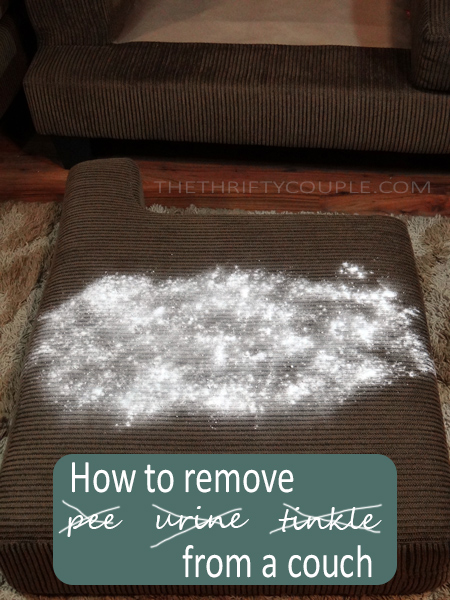
Baking soda is a natural deodorizer. Sprinkle a generous amount over the damp area. Let it sit for at least 8 hours or overnight. It absorbs moisture and neutralizes bad smells. After waiting, vacuum the baking soda off thoroughly. Repeat if the odor is strong. This method is cheap and safe for most fabrics.
Commercial Deodorizers
Choose a deodorizer made for furniture or fabric. Spray it lightly on the cushion surface. Follow the product instructions carefully. These products often contain enzymes that break down odor-causing particles. They work faster than baking soda. Test on a small hidden area first to avoid damage. Use in a well-ventilated room for best results.
Credit: www.scoopmasters.com
Drying The Cushion
Drying the cushion is a key step after cleaning pee stains. Wet cushions can develop mold and odors if not dried properly. It takes patience and the right method to dry them well. Follow these tips to speed up drying and keep your couch fresh.
Air Drying Tips
Place the cushion outside if the weather is warm and sunny. Fresh air helps to remove moisture and smells. Avoid direct sunlight for long hours to prevent fabric fading. Turn the cushion often to dry all sides evenly. Keep it in a well-ventilated room if outside drying is not possible.
Using Fans Or Dehumidifiers
Fans help move air around the cushion, speeding up drying. Point a fan directly at the wet area for best results. Dehumidifiers pull moisture from the air, which helps cushions dry faster indoors. Combine fans and dehumidifiers for quick and effective drying. Check the cushion regularly to avoid over-drying or damage.
Prevent Future Accidents
Stopping couch cushions from getting wet again is key. A clean couch looks nice and lasts longer. Small steps help keep accidents away. Protect your furniture and save time on cleaning.
Protective Covers
Use waterproof covers on your couch cushions. These covers block liquids from soaking in. They are easy to remove and wash. Covers keep your cushions dry and fresh. Choose covers that fit well and feel soft.
Training Pets Or Kids
Teach pets and children where to go potty. Use praise and rewards for good behavior. Set a regular schedule for bathroom breaks. Watch for signs they need to go. Patience helps them learn and avoid accidents.

Credit: cheers.massaya.com
Frequently Asked Questions
How Do I Remove Pee Odor From Couch Cushions?
To remove pee odor, first blot the area with paper towels. Then, apply a mixture of water and vinegar. Let it sit, blot again, and sprinkle baking soda. Finally, vacuum after drying to eliminate odors effectively.
What Is The Best Cleaner For Pee Stains On Cushions?
Enzyme-based cleaners are best for pee stains on cushions. They break down urine proteins and neutralize odors. Avoid harsh chemicals that can damage fabric. Always test a small area before full application.
Can I Use Vinegar To Clean Pee From Couch Cushions?
Yes, vinegar effectively neutralizes urine odor and disinfects. Mix equal parts water and white vinegar. Apply gently, blot dry, and repeat if needed. Vinegar is a safe, natural option for cleaning pee stains.
How Long Does It Take For Pee Stains To Dry?
Pee stains typically dry within 1 to 3 hours, depending on cushion thickness and room ventilation. Faster drying helps prevent odor and mold growth. Use fans or open windows to speed up drying.
Conclusion
Cleaning couch cushions from pee is easier than it seems. Act quickly to stop stains and smells. Use mild soap and water for gentle cleaning. Dry cushions well to avoid mold or bad odor. Repeat steps if the smell remains.
With simple care, your couch will look fresh again. Keep cleaning supplies handy for future accidents. A clean couch makes your home feel better and more welcoming.

Emma Caldwell is a certified sleep consultant with over 8 years of experience studying how environment, posture, and bedding affect sleep quality. At Royal Comport, she leads content focused on mattress reviews, sleep hygiene, and wellness optimization. Her mission is to help readers find science-backed comfort solutions that improve both rest and daily performance. Her Expertise is Sleep science, mattress testing, comfort ergonomics, lifestyle wellness.


